
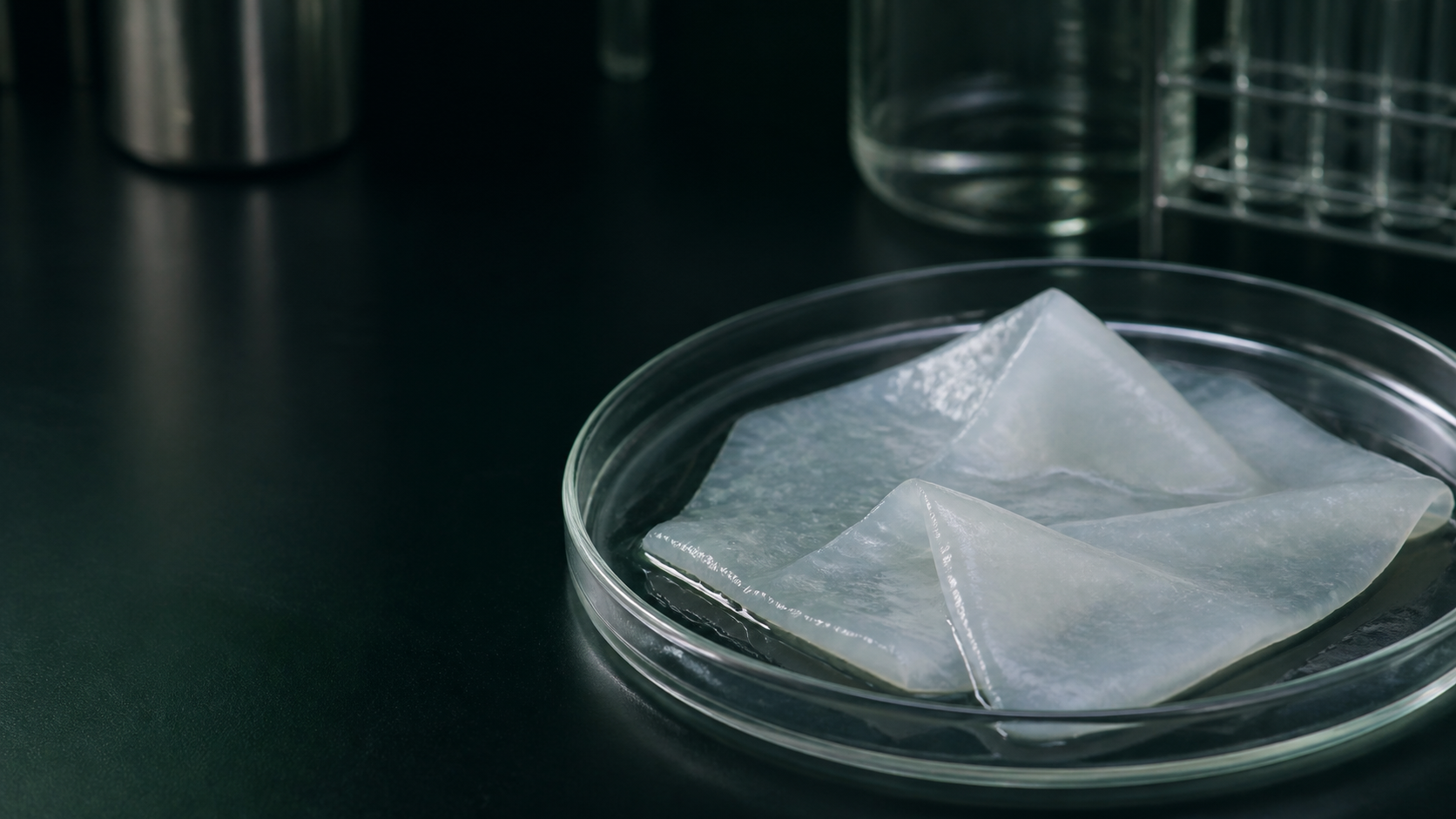
NatFibra™BioCellulose
Bio-cellulose platform for development of medical and biomedical materials
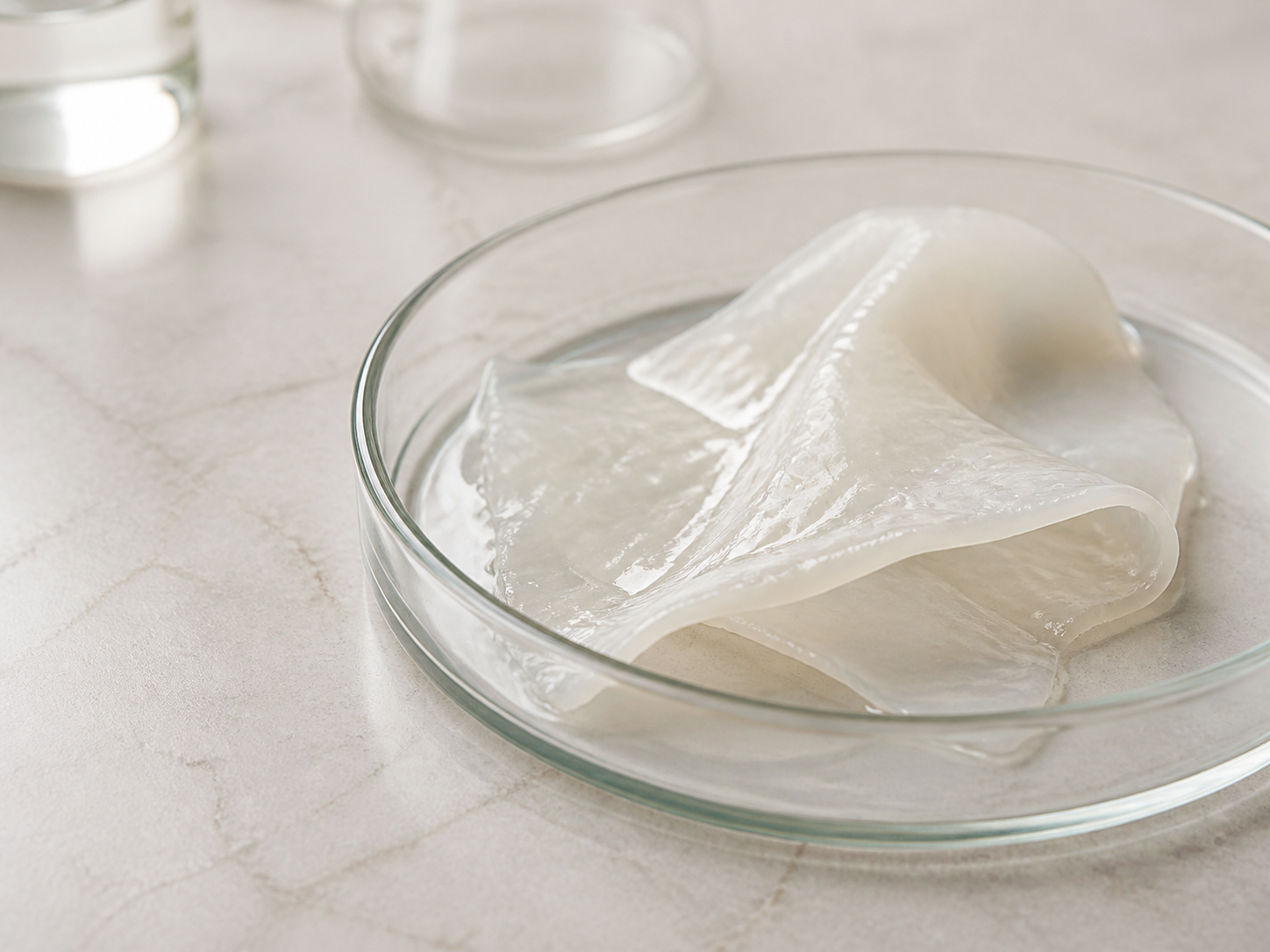
NatFibra™ BioCellulose is based on bio-cellulose based on sugar fermentation. High-aspect-ratiomicofibrils can form a continuous three-dimensional network in aqueous case or membrane for the development of bio-cellulose membranes, composite materials and active ingesters.
Understanding material structureBio-cellulose material platform
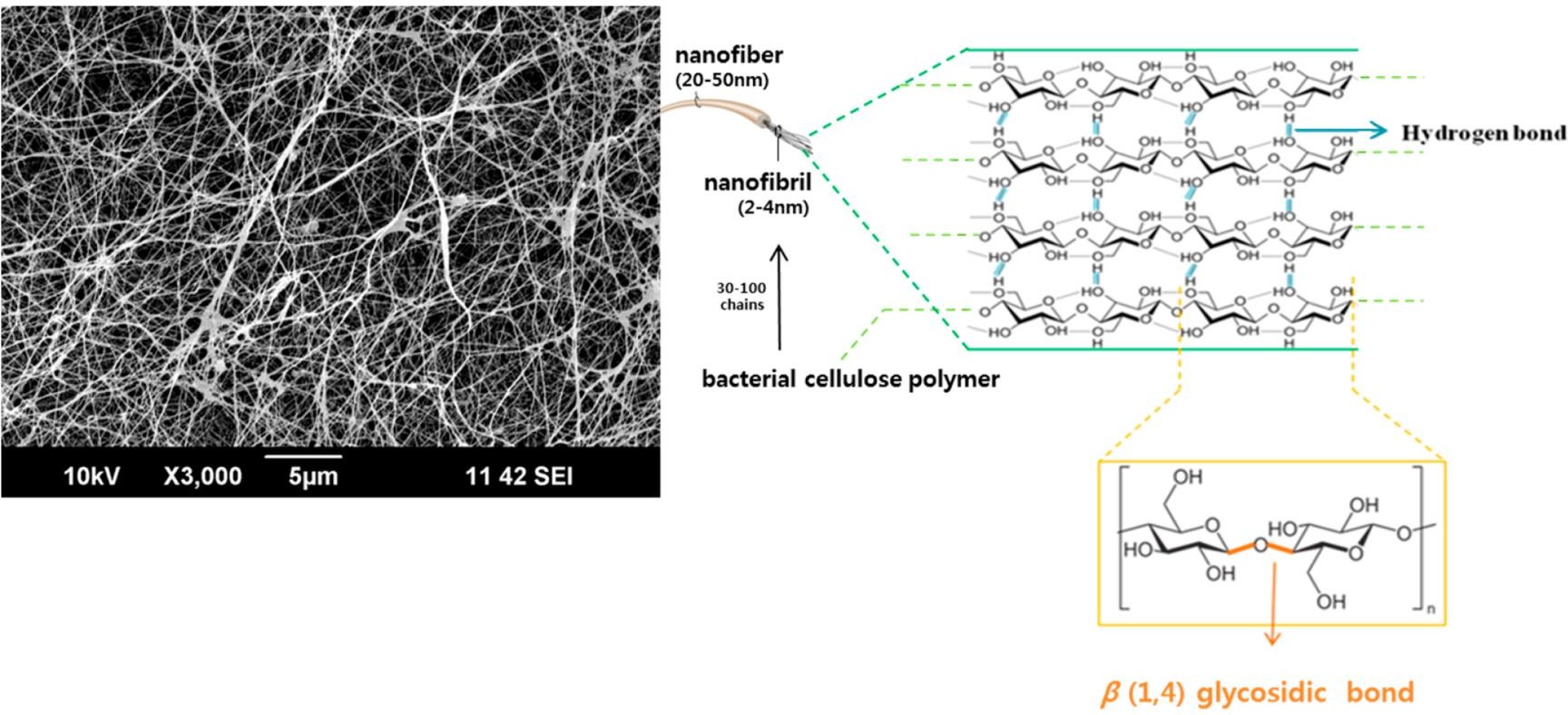
The main material for NatFibra™ BioCellulose is bio-cellulose. Glucose units are connected to the cellulose chain, which is further assembled into nanofibres and high-aspect-ratiomicofibrils.
Microfibrils form a continuous three-dimensional network within the materials and can be used in studies on wet-state membranes, composite gels, composite dressing cells and activated ingredents carriers. Specific material form, composition, sterilization and use requirements should be determined according to the target product.
Fibre structure and 3D network
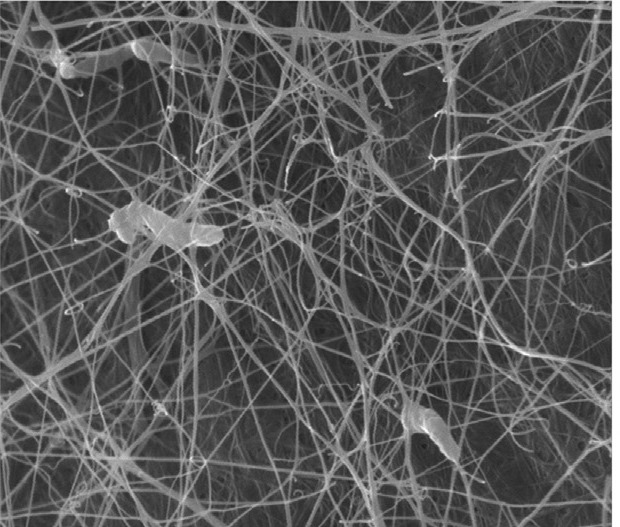
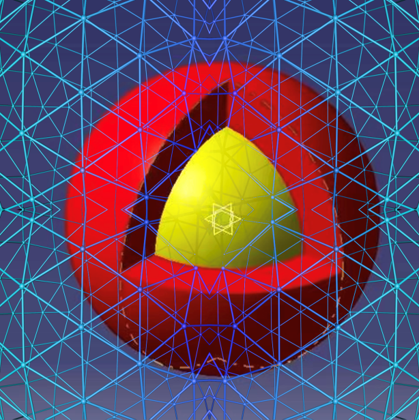
Bio-cellulose fibres with a diameter of about 20-40 nm and a length greater than 1 m. high-aspect-ratio microfibrils are interwoven and form continuous networks in aqueous case, gel or membrane.
The network provides structural space for moisture, dissolved and dispersed components. Water holding, mechanics, release and dermal exposure of materials in specific systems depend on fibre content, composite components, film thickness, reprocessing and test conditions.
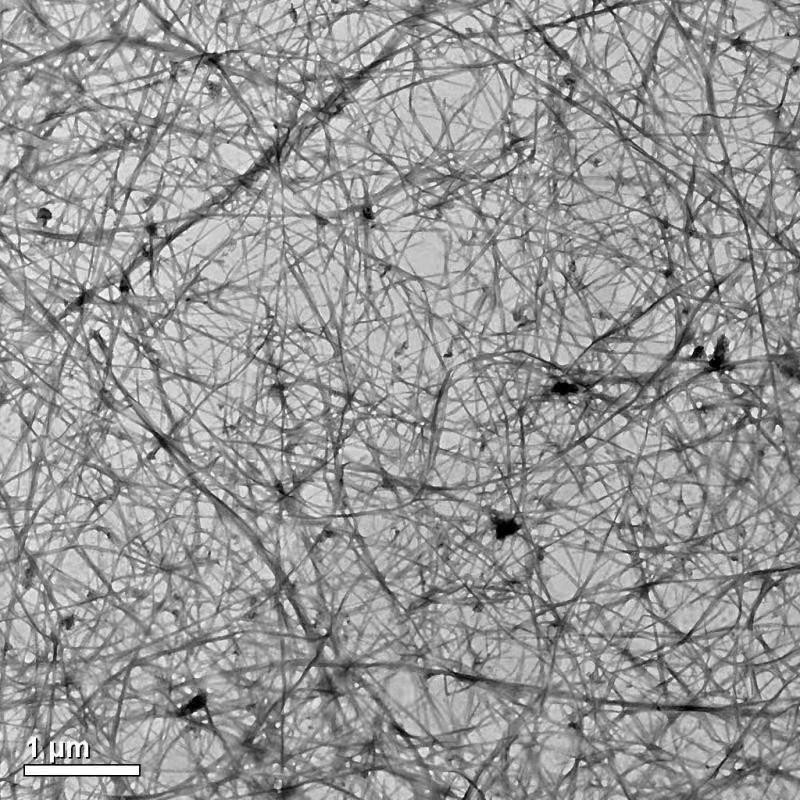
Continuous network
high-aspect-ratio microfibrils are interwoven and constitute a continuum of materials.
Structure space
The network provides adjustable carrying space for moisture, dissolved and dispersed components.
System-related
The final performance is determined by a combination of fibre content, composite components, film thickness and reprocessing.
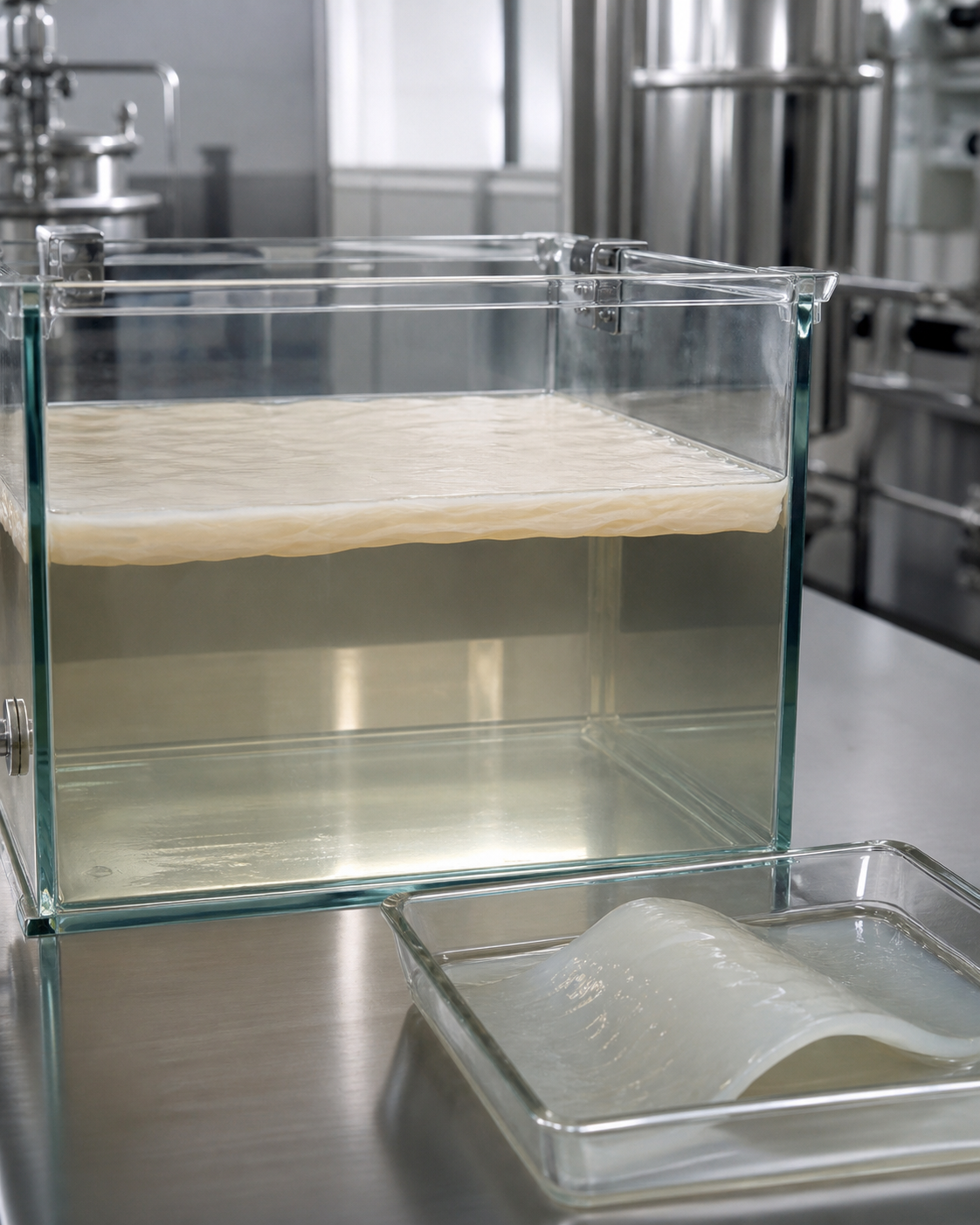
Fermentation, purification and material composition
The preparation pathways described in the information include stock and culture preparation, fermentation to beio-cellulose, purification, application formation and packaging. The purified material may be made of membranes, gels or composites based on the target product.
The website presents only publicly available generic process nodes, with no disclosure of bacterial species, culture base composition, key parameters and unrecognized proprietary technical information.
- Bacteria and cultures
- Fermentation
- Purification
- Application formulation
- Packaging
Material development for different systems
The direction of the application needs to be determined in the context of the specific product form, structure and process conditions and validated through the corresponding sample.
Bio-cellulose membranes
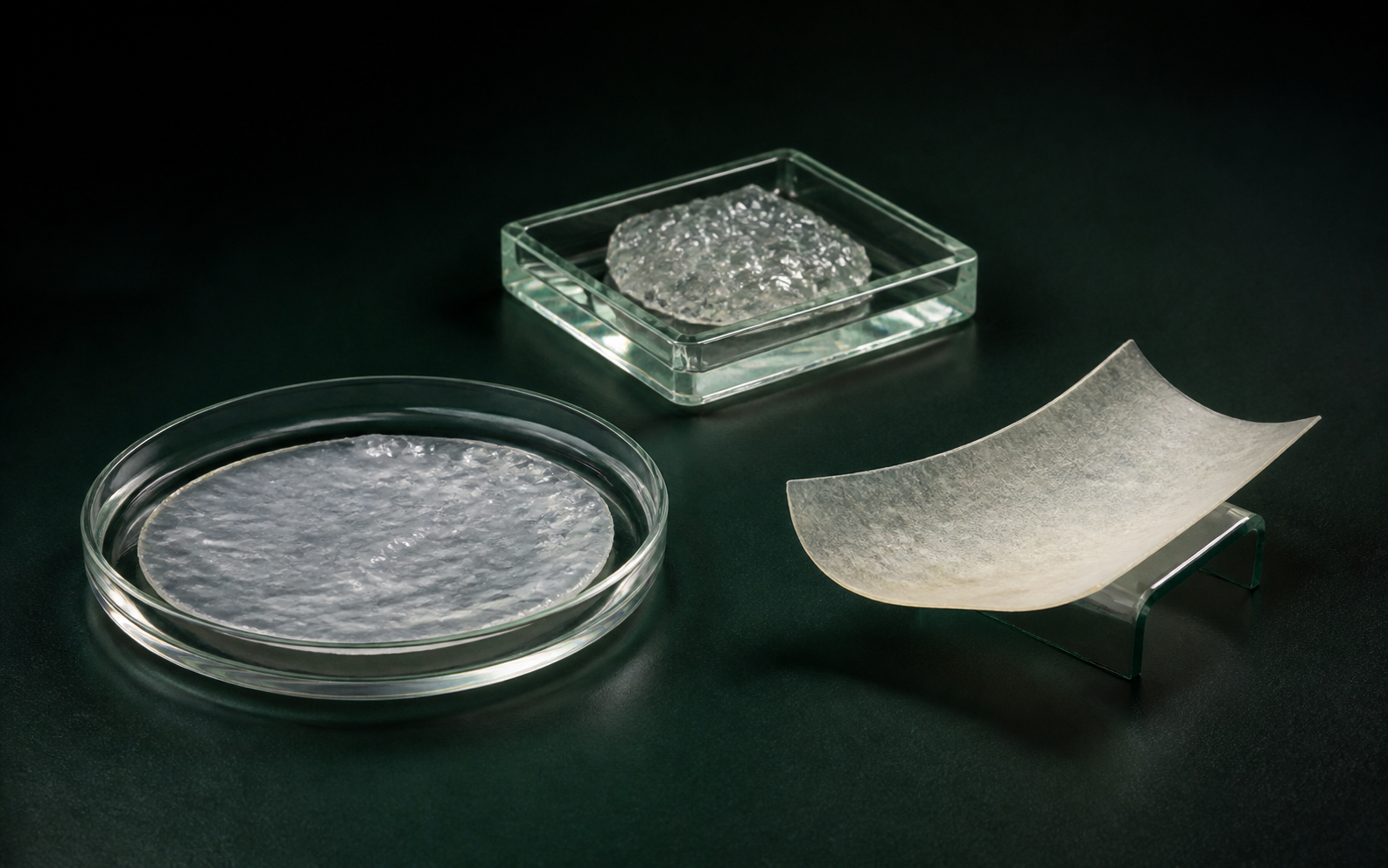
For the structural development of wet-state membranes, dermal contact membranes and membrane systems. The specific form, composition and scope of use should be identified around the target product.
Composite wound-dressing substrates
Composite matrix studies with algae, sugar or other materials can be conducted and material, fungicide and biocompatibility evaluations can be completed based on the intended use.
Active-ingredient carriers
The three-dimensional microfibrils network can be used for active entanglement, load and release system studies, with performance findings supported by complete control tests.
Medical-aesthetic membranes and facial masks
Material mass studies for use in ceramide membranes, bio-cellulosefacial mask and other skin-exposed membranes.
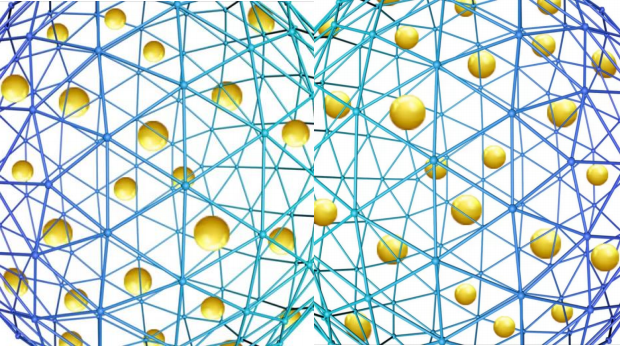
Active-ingredient loading and release studies
bio-cellulosemicrofibrils can be used as a composite carrier structure to study the dispersion, load and release of active in membranes or gels. The current information does not provide complete experimental reports, repetitions, errors and statistical methods, so no transmission efficiency or absorption ratios are published on this page.
ceramide film application study
In the ceramide complication application, bio-cellulosemicrofibrils, as a three-dimensional structure, conducted decentralised and membrane composition studies in conjunction with the ceramide complex and rhamnolipid.
This element is part of the formulation and material assembly studies and is not equivalent to skin absorption, barrier repair or clinical efficacy conclusions. The subsequent conclusions should be based on confirmed sample composition, stability and release tests.
Scope of research and product validation
bio-cellulose and its composites have been used in dressing, gel and skin contact material studies. The sources of cellulose, chemical modifications, composite compositions, sterilisation methods and animal models in different studies are not the same, and the results of third-party studies cannot be directly diverted to NatFibra™ BioCellulose.
When products enter the development of medical devices, medical consumables or dermal exposure products, they shall be evaluated in terms of material representation, biological compatibility, micro-organisms, stability, sterilization, packaging and regulation according to the target market and intended use.
Confirmed product information
The current page displays only six information that can be clearly collated from the information. Product form, composition, rationalization indicators, packaging and storage conditions will be supplemented with confirmation of information.
- Product name
- NatFibra™ BioCellulose
- Type of product
- Bio-cellulose platform for development of medical and biomedical materials
- Sources of material
- Sugar is fermented by microbes.
- Molecular Connection
- Beta-1, 4 glycocodic Bond
- Fibre diameter
- About 20-40 nm
- Fibre length
- More than 1 mm