Explore material roles, related products and verification priorities across personal care, food, home care, agriculture, paper, healthcare and plastics.
Different development tasks require different material choices
Application development brings product format, formulation, process conditions and evaluation methods into one decision path.
01
Food
Food-oriented cellulose microfibrilsParticle suspension1 related products
Food-grade cellulose microfibrils support particle suspension, oil-water interface stability and structural control in liquids, emulsions and composite food systems.
Home-care cellulose microfibrilsSuspension stability1 related products
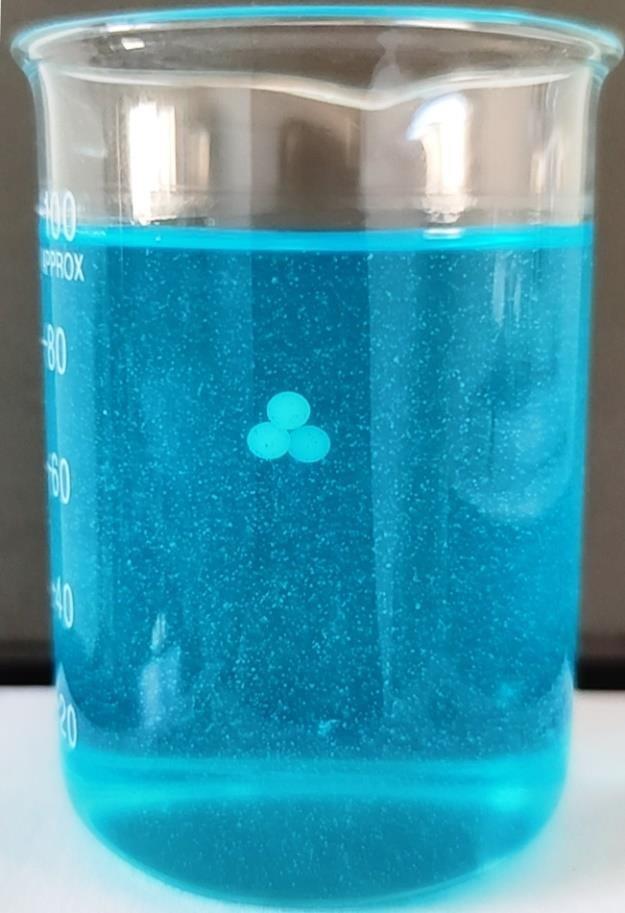
Suspension, fabric deposition, free-water control and filling-process studies for products containing particles, fragrance microcapsules or low-viscosity bases.
Bio-cellulose substrates and functional emulsionsNanoscale microfibril structure4 related products
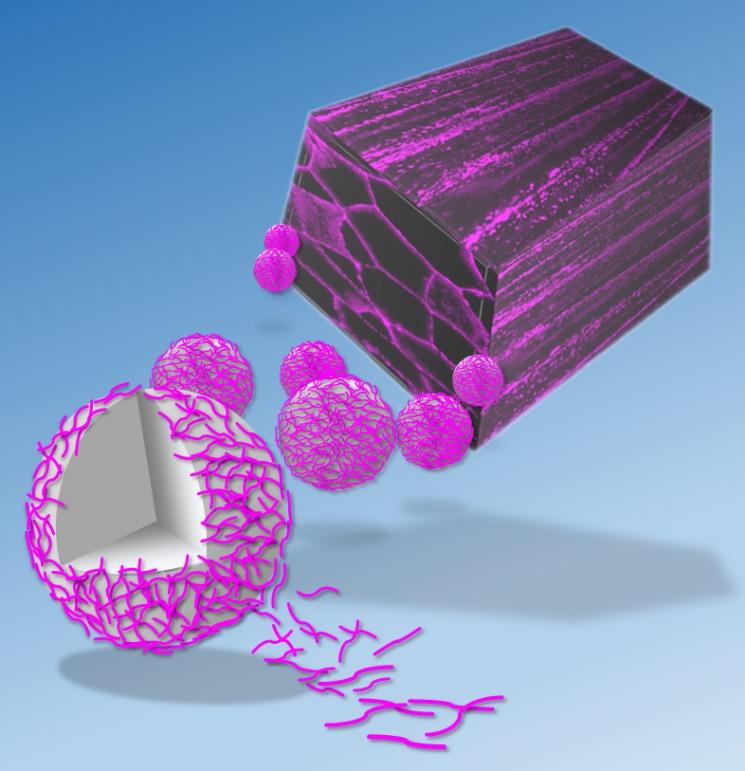
Professional-care, wound-dressing and delivery-material research based on cellulose microfibril nanostructures, bio-cellulose membranes and active-ingredient carriers.
Bacterial nanocellulose reinforcement technologyNanofibrillation1 related products
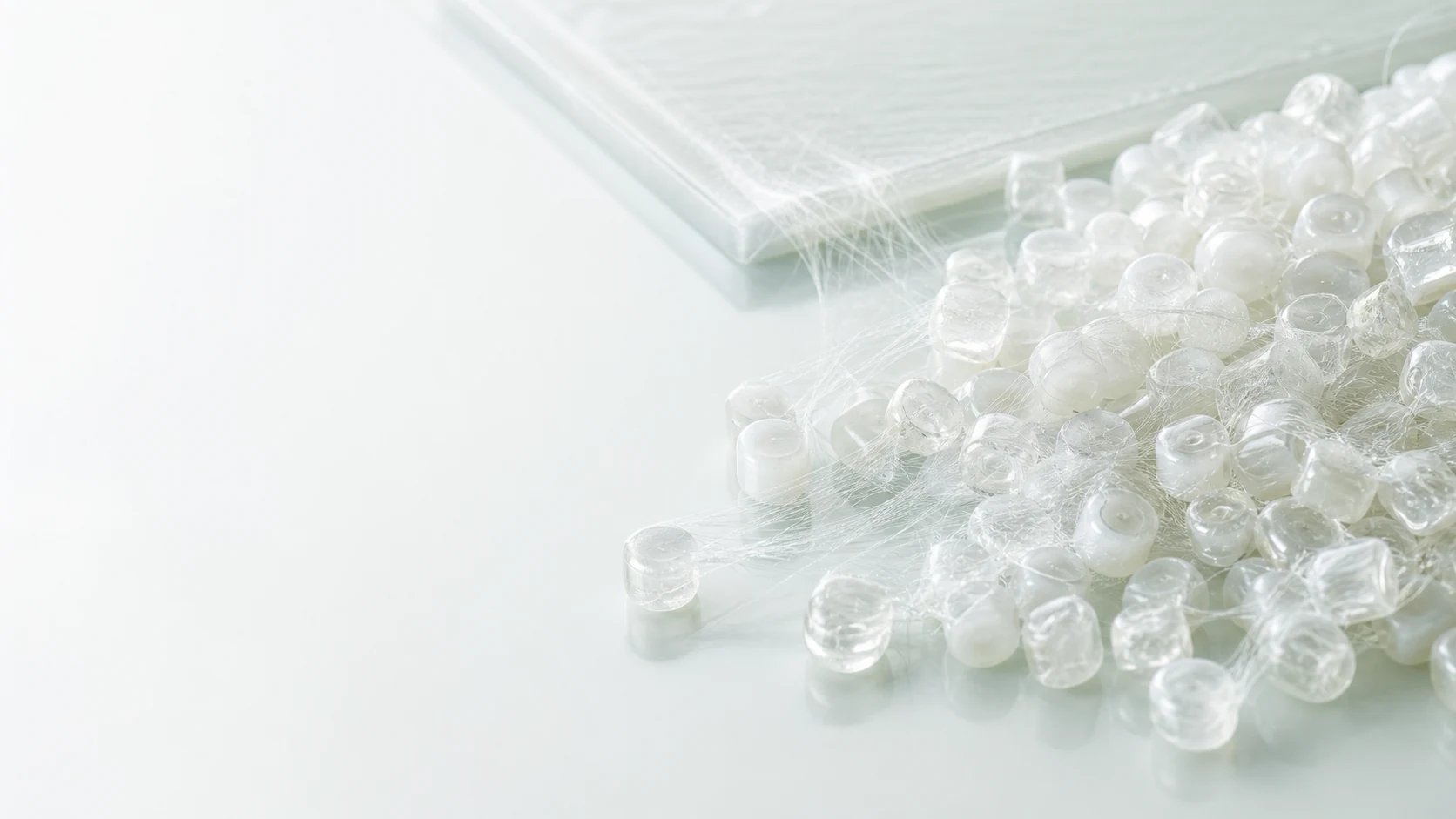
Bacterial nanocellulose defibrillation, plastic-pellet coating and forming processes for structural reinforcement and circular use of recycled plastics.


 01