
Nanoscale microfibril structure
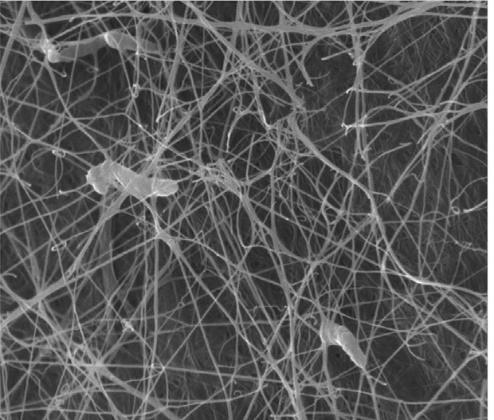
Microfibrils measuring 20–40 nm combine a high aspect ratio and surface area to construct porous three-dimensional networks.

Professional-care, wound-dressing and delivery-material research based on cellulose microfibril nanostructures, bio-cellulose membranes and active-ingredient carriers.
Cellulose microfibrils are formed from glucose units linked by β-1,4-glycosidic bonds and have an approximate diameter of 20–40 nm. Their high aspect ratio allows them to interweave in the liquid phase and form a continuous three-dimensional network.
Dynamic fermentation is used to prepare fibre materials, while precision membrane fermentation forms continuous membrane substrates during cultivation and can introduce functional ingredients for the target system. Material purity, porosity, liquid-holding capacity and loading method should be evaluated separately for professional care, wound dressings or delivery applications.
Microfibrils measuring 20–40 nm combine a high aspect ratio and surface area to construct porous three-dimensional networks.
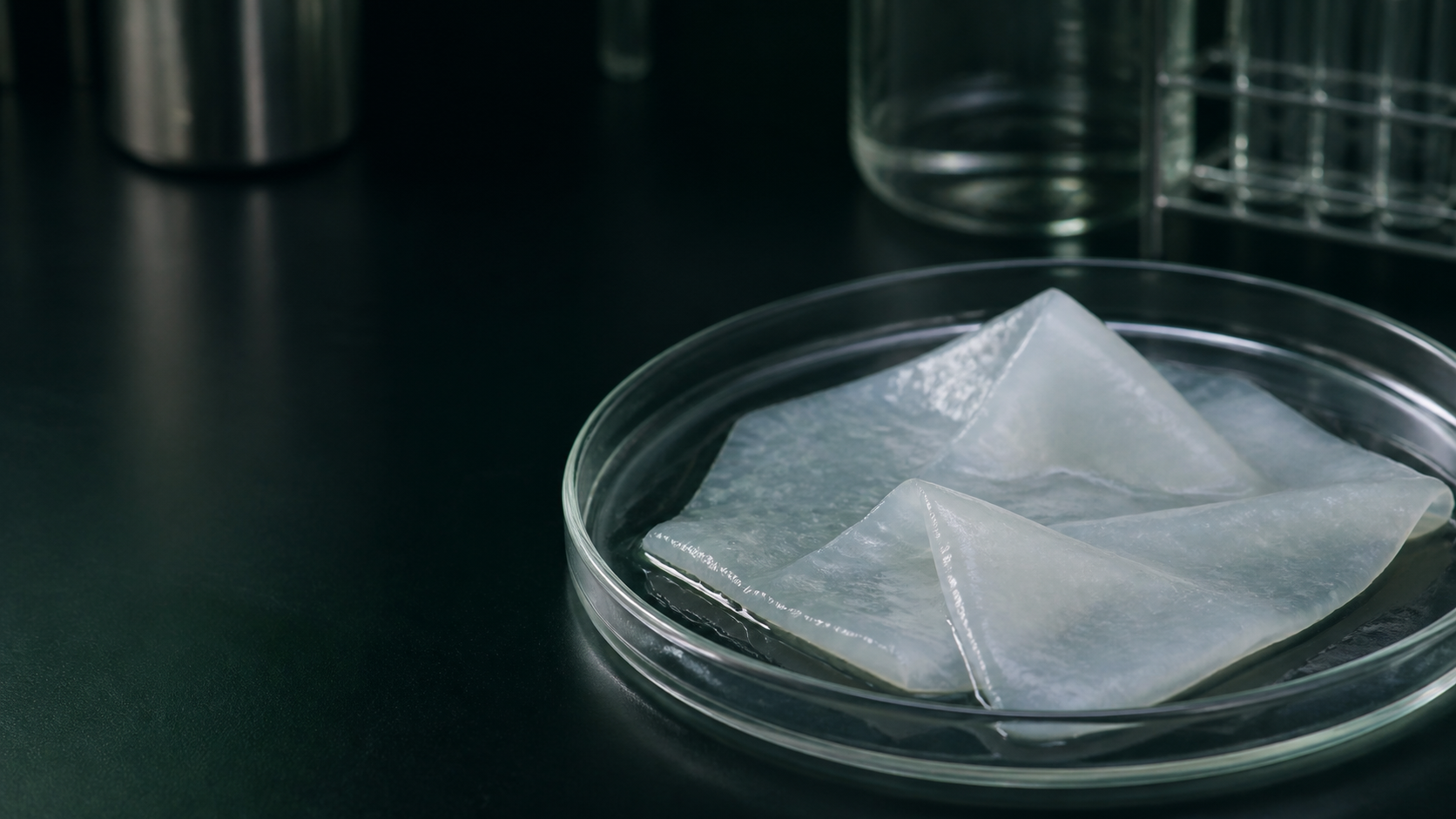
Continuous bio-cellulose membranes form during cultivation and are evaluated for purity, porosity, fit and liquid retention.
The three-dimensional network can be studied for loading and release of proteins, lipid vesicles and other ingredients, with suitability verified for the intended ingredient and use method.

Study fit, liquid content, pore structure, sterilisation and packaging compatibility.
Evaluate absorption, moist-environment retention, mechanical properties and biocompatibility in bio-cellulose and composite systems.
Study loading, dispersion and release behaviour in porous networks and confirm suitability under the specific formulation and test conditions.
Product pages present material structure, application data and suggested verification items. Refer to the latest product resources for current specifications.


Please provide the target product format, base system and key evaluation criteria so that we can discuss the appropriate product resources.