

CERAMIDE EMULSION
EFNMide™ α-L
ceramidemulsion
Cholesterol, palm acid, plant sorghumol and plant osmol are recomposed with the core lipids of ceramide EOP, NH and AP, and are decentralized through rhamnolipid and NatFibra® fiber.
View Product Structure- ceramide type
- EOP · NP · AP
- pH
- 5.0-5.5
- Sticky
- 6,000-15,000 cP
- Temperature Cycle
- 5-50 ℃
EFNMide™ α-L
Aqueous dispersion system for a ceramide complex
EFNMideTM alpha-L is a complex aqueous case-type ceramidemulsion. ceramide, together with cholesterol, palm acid, plant sorghumol and plant styrene, forms a complex lipid system.
rhamnolipid is used for packaging and stabilizing complex lipids, and NatFibra® fiber forms a three-dimensional network in aqueous case to provide dispersed and structural support for the lipid cyst.
The product contains both glycerine and 1,2-e-diol Eco, which can be used for cream, emulsion and other water-bearing barrier care.
NatFibra® fiber
20-40 nm microfibrils constitute a three-dimensional network
NatFibra® Fiber is fermented from sugar. The cellulose molecular chain is connected by glucose units via β-1,4 glycosidic bond and is further assembled into a nanofibrils structure.
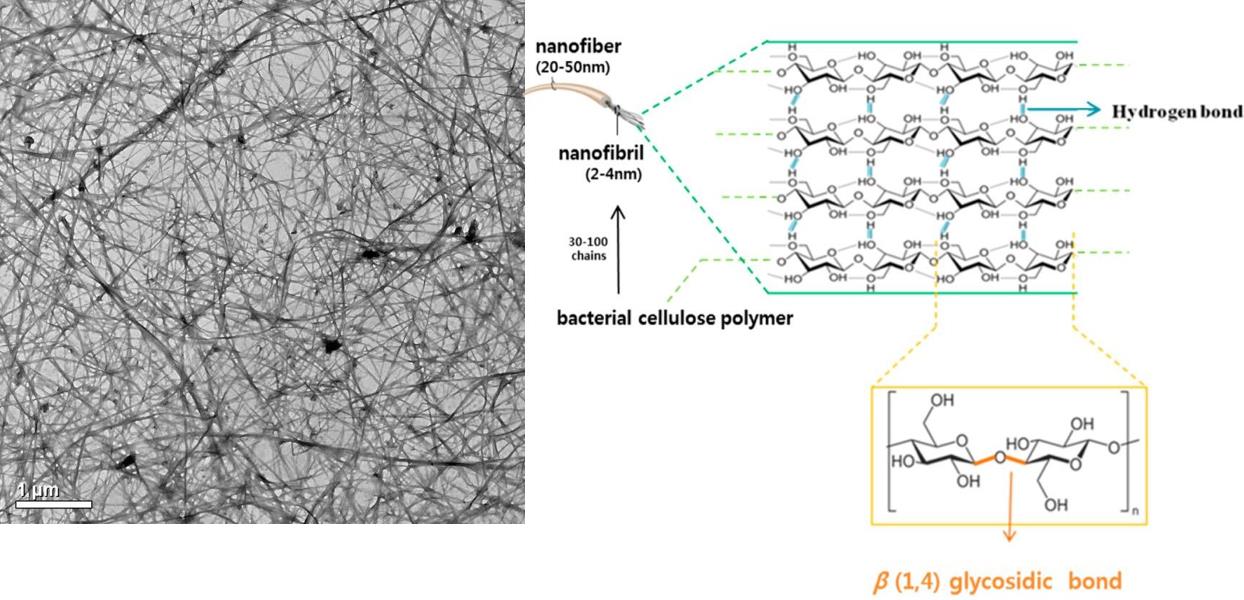
- Main constituents
- cellulose
- Molecular chain
- Beta-1, 4 glycocodic Bond
- microfibrils diameter
- About 20-40 nm
- Microfibrils Length
- More than μm
ALPHA 4
Composite lipid and 3D dispersive structure
NatFibra® Fiber forms a structural slab, rhamnolipid package of ceramide compound. The lipid vesicles are distributed in the fibre network and form a dispersive system that combines glycolipid with cellulose.
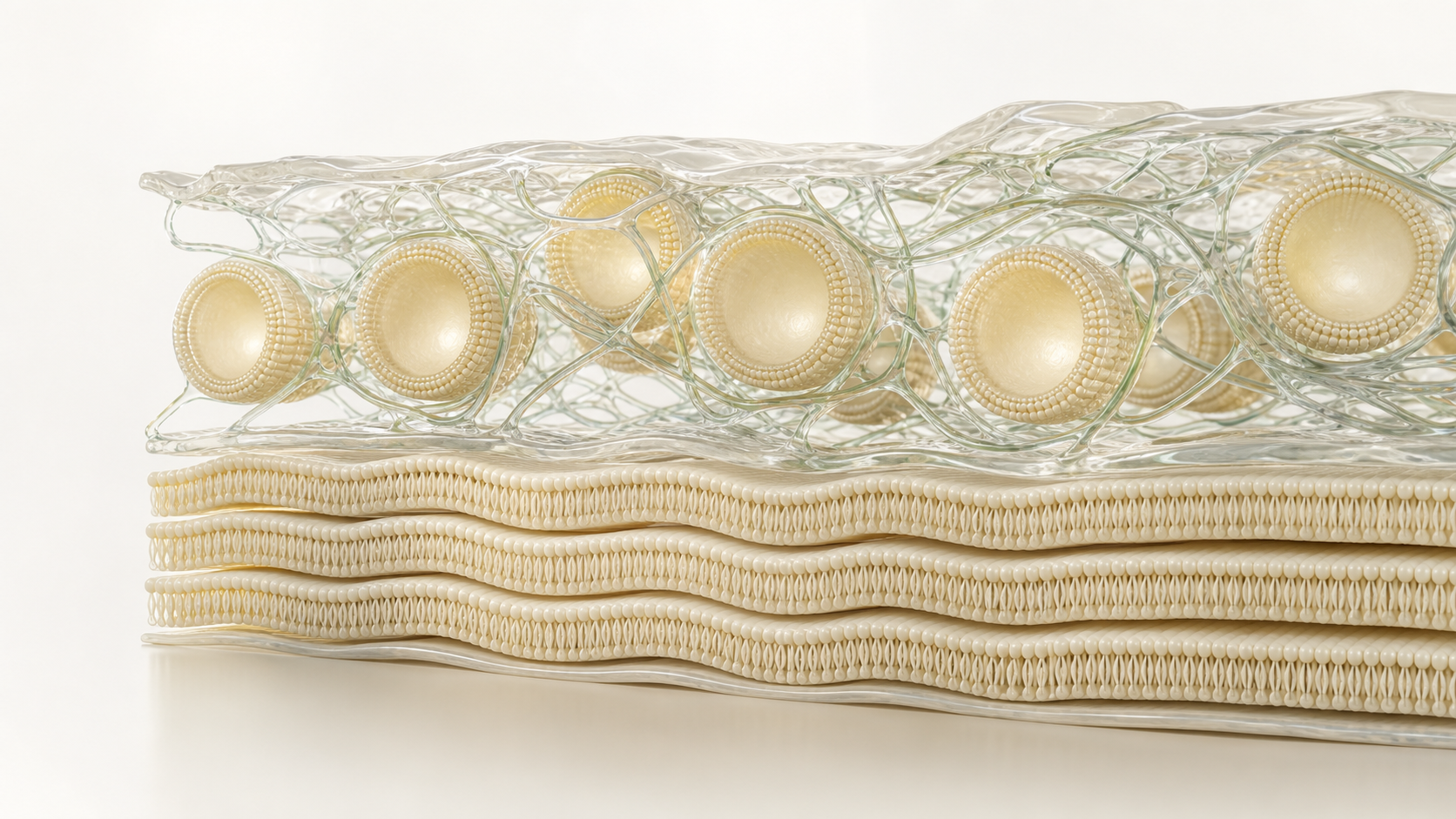
- 01
Microfibrils
NatFibra® fiber with a diameter of about 20-40 nm is interwoven in aqueous case, forming a continuous three-dimensional structure.
- 02
Glycolipid encapsulation
rhamnolipid package ceramide complex, forming a lipid cystic bubble scattered in aqueous case.
- 03
Network distribution
The lipid cystic bubble is distributed in the microfibrils network and is decentralized for subsequent development.
ceramide combination
Ceramides EOP, NP and AP
The ceramide combination consists of three types of ceramide and multiple types of lipid. Specific matching may be adjusted to product specifications, and the compatibility of the finished product needs to be confirmed in combination with lactation systems, oil case, pH, electrolyte and process conditions.
ceramide total1.5%Typical composition
- 01 / EOP
- 0.001%
- 02 / NP
- 1.0%
- 03 / AP
- 0.5%
Palmitic acid
1.0%Phytosphingosine
0.5%Phytosterols
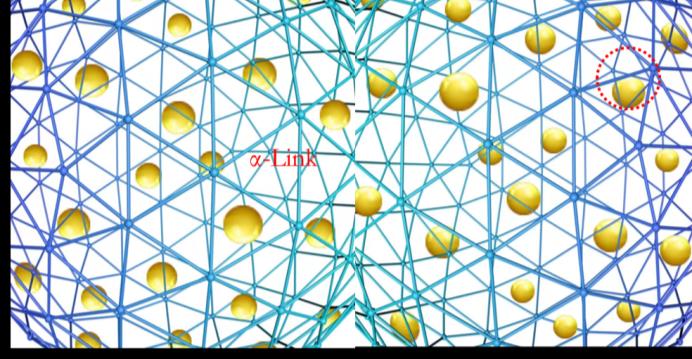
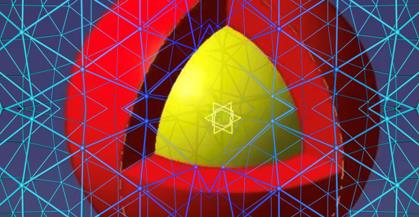
±1.0% Network and bubbles
Distribution of lipid vesicles within the microfibril scaffold
Fibre network provides distributed space for lipid vesicles. After being painted, the microfibrils network is located on the skin surface, and the lipid scyte releases compound lipids during the spread and formulation water changes.
Temperature cycle observation
5-50 °C No separation observed
No separation was observed in the EFNM α-L raw material samples under temperature cycle conditions of 5°C to 50°C. The final product still needs to complete the high-temperature cycle, long-term storage, centrifuge and package compatibility verification.
5 ℃50 ℃
Temperature Cycle RangeNo separation observed in raw material test samples
Product Composition
- ceramide combination
- 4%-5%
- NatFibra®
- 1%-5%
- Glycerine.
- 5%
- Eco
- 0.3%
- Water
- Completing to 100%
Product matching and preservation systems can be configured according to specifications.
Barrier care
Creams, lotions and other water-containing skin-care systems
Specific uses should be determined in combination with the target ceramide content, emulsion systems, other active ingradiants, product form and stability tests.
Barrier-care cream
- EFNMide™ α-L
- 2%
- Ammonium.
- 5%
Formulation for barrier-care cream development, the finished product needs to be evaluated for loss of skin moisture, water content, use sense and long-term stability.
Soothing-care cream
- EFNMide™ α-L
- 1%
- There's no medicine.
- 0.5%
Formulation for the relief of cream, the finished product needs to evaluate appearance, viscosity, pH, temperature stability and target skin efficacy.
EFNMide™ α-L
Product composition and technical parameters
Component identification: ceramide (EOP, NP, AP), glucose, cellulose, cholesterol, palm acid, vegetal aminool, plant propylol, glycerine, 1,2-pentol Eco.
- Product name
- EFNMideTM Alpha-Lceramideemulsion
- Type of product
- NatFibra® Fiber carried compound ceramideemulsion
- ceramide type
- EOP、NP、AP
- Composite lipid
- Cholesterol, palm acid, plant sulfine, plant sulfide ethanol
- Structure material
- NatFibra® fiber
- Glut
- I don't know.
- Fibremicrofibrils diameter
- About 20-40 nm
- Fibremicrofibrils length
- More than μm
- pH
- 5.0-5.5
- Sticky
- 6,000-15,000 cP
- Sticky test instrument
- Brookfield RV
Product development
Formulation-introduction checklist
- 01
Target ceramide content and actual feedstock additions
- 02
Compatibility of lactation systems, oil case and compound lipids
- 03
pH, viscosity, centrifugal and high temperature cycle stability
- 04
Add temperature, cut strength and process order
- 05
Colors, scents, repainting and post-use skin.
- 06
Leaching through the skin, water content of the angular layer and skin resistance