
Continuous microfibrils
High-aspect-ratimicrofibrils are interwoven in aqueous case to form multi-point contact structures.

Agricultural suspension, barrel mixing, seed cover and functional carrier NatFibra® fiber
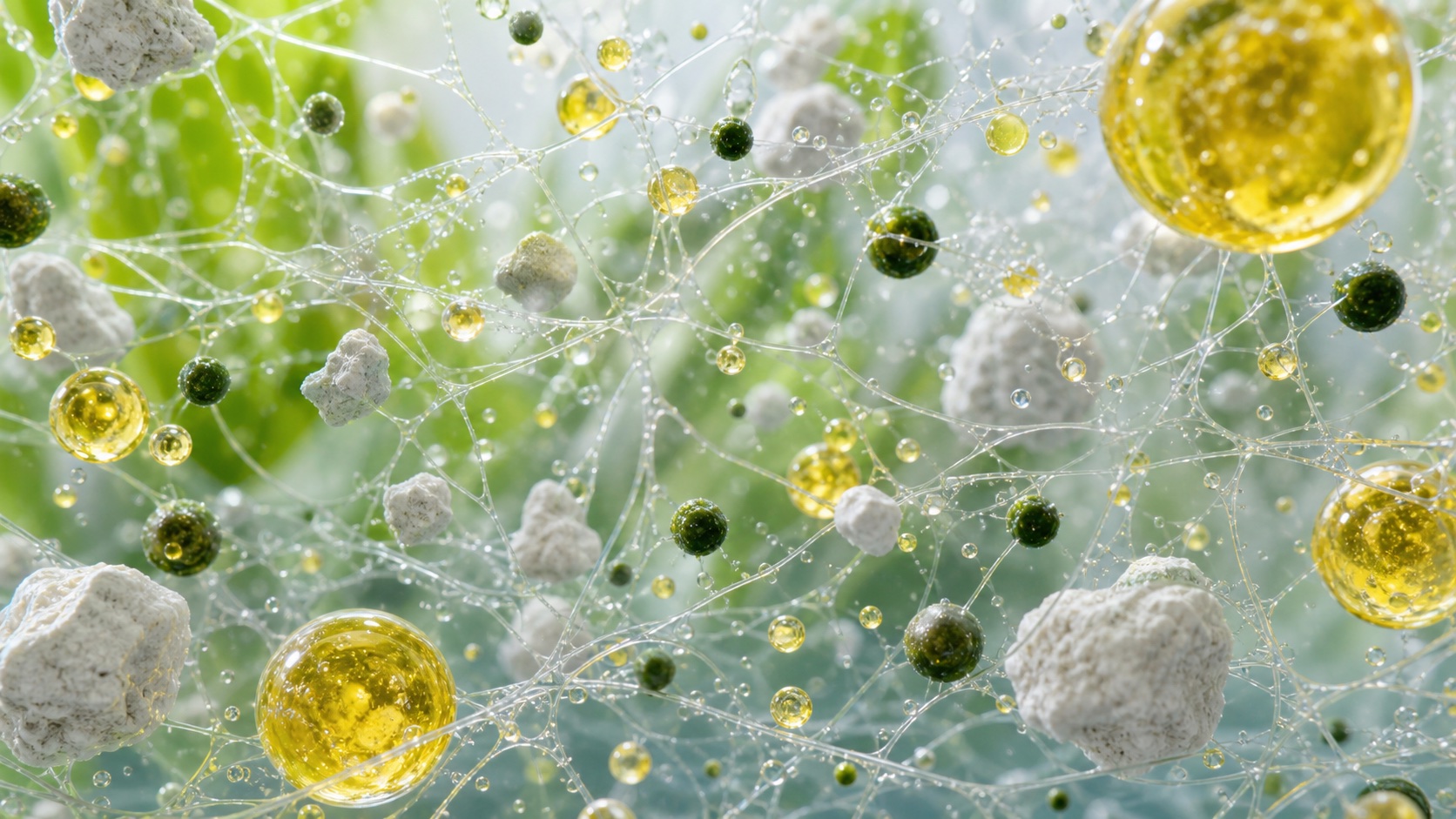
The product is fermented with sugar and fermented and purified by microorganisms. Microfibrils are spread over aqueous phaase and form a continuous three-dimensional network that can provide structural support for solid particles and participate in oil-water interface, seed surface membrane, moisture maintenance and active ingration.
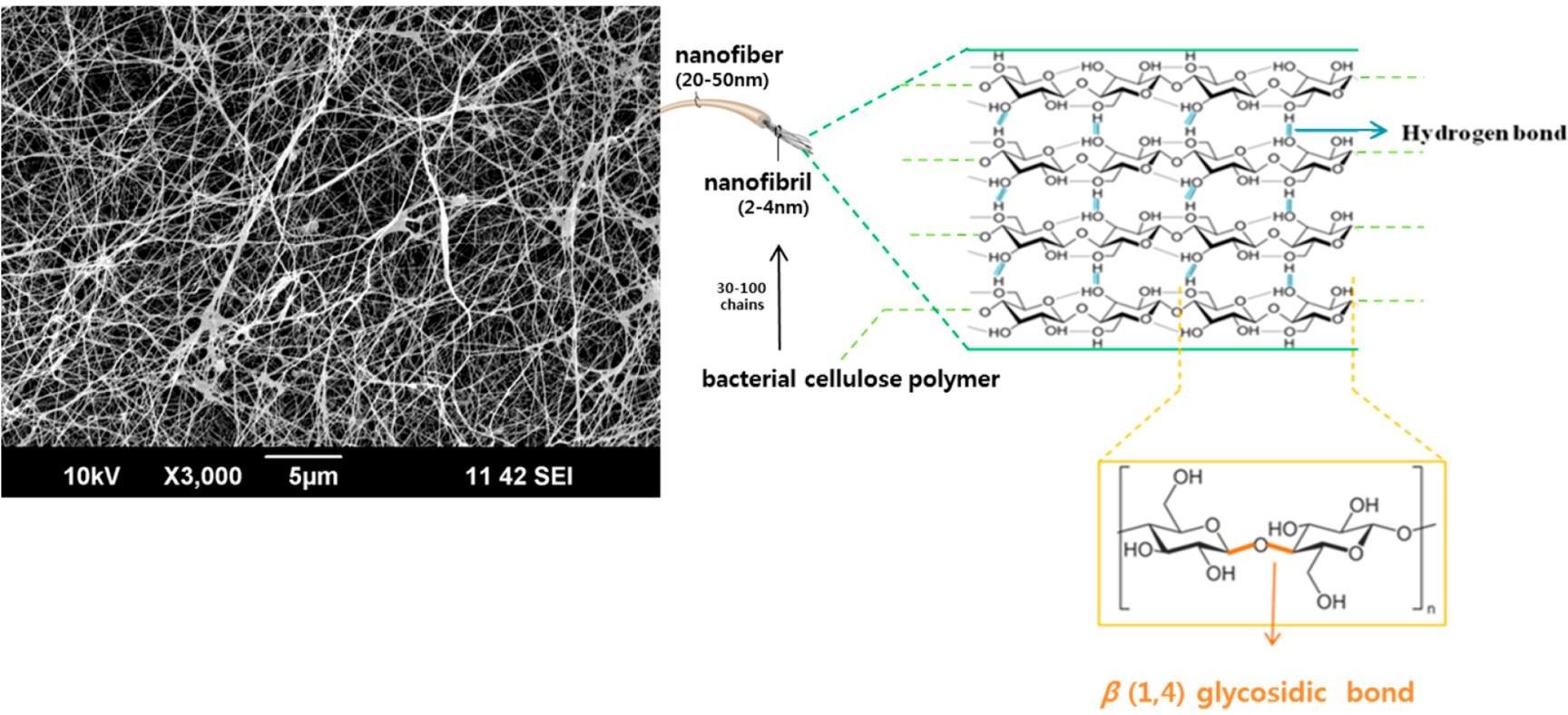
The main component of BacFiber AGR is cellulose. The glucose monomer is connected by β-1,4 glycosidic bond to form a cellulose chain, which is further assembled into NatFibra® fiber with a diameter of about 20-40 nm and a length of more than μm. Fibres have a larger surface area and can create a three-dimensional network of multiple points of contact in liquids.
 123
High-aspect-ratimicrofibrils are interwoven in aqueous case to form multi-point contact structures.
The network limits the free movement of solid particles in static conditions.
Microfibrils can participate in Oil-water interface, water holding, and active ingradiants.
The scanning mirror is used to observe the microfibrils form of dry samples. The actual network state in liquid form still needs to be confirmed in combination with current, deposition and stability tests.
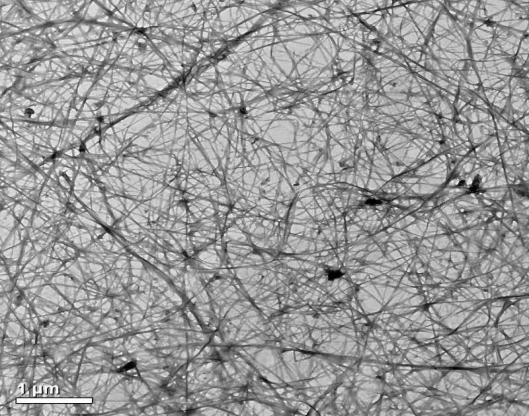
The structural effects of the microfibrils network need to be verified in the target formulation by combining particles, oil case, electrolyte, basic currents and application equipment.
The microfibrils network limits the free movement of solid particles during the static process and provides structural support for pesticide suspensions, leaf fertilizers, liquid fertilizers and barrel mixing systems. Application evaluation can cover 0.1-50 μm particles.
high-aspect-ratio microfibrils are adsorbed to Oil-water interface and form a particle-type interface. In the soybean oil emulsion evaluation, the system using BacFiber® AGR increased its stability by 80-90%.
Microfibrils surface hydroxyl radicals form hydrogen keys and the 3D network further limits water migration. In the corresponding evaluation system, the water retention rate was 98 per cent and the water conservation duration was three times greater than that of traditional polymer materials.
The product can be developed for application within the evaluation of pH 3-11 and -20 °C to 80 °C. The physical stabilization window is affected by electrolyte, active composition, oil case, particles and other aids.
The test system consists of various suspensions, emulsion and potassium phosphate for the observation of the stratification and deposition under complex combination conditions. The test was used to determine the initial screening concentration of the drum mix system.
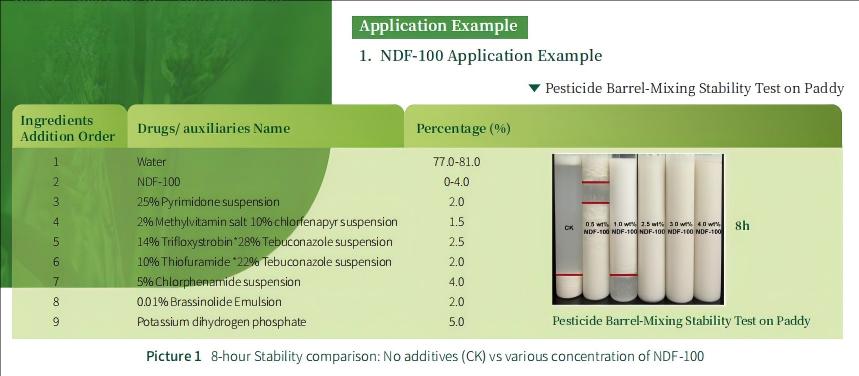
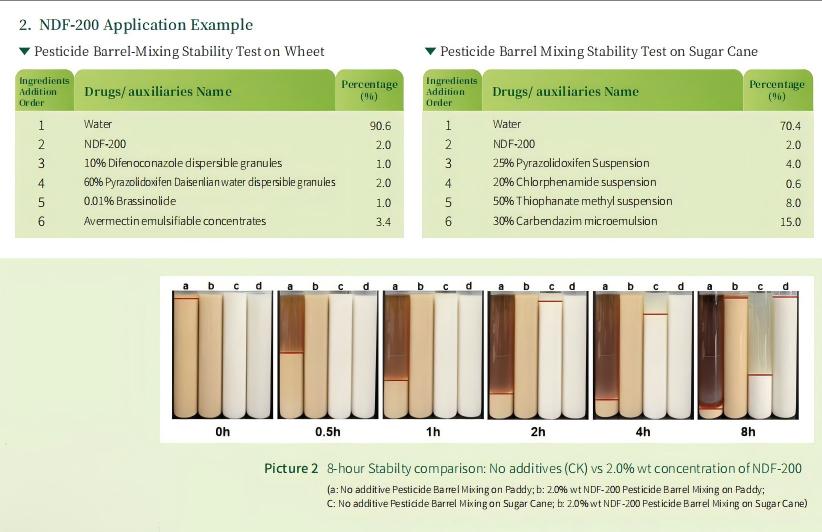
The test tube sequence records the appearance of 0, 0.5, 1, 2, 4 and 8 hours, which is used to balance the layers, depositions and fluids when the multiple active ingredients coexist.
Formalization still requires completion of diluted water hardness, mixing sequences, time spent on site, nozzle filtering and crop safety evaluation.
BacFiber AGR may be used in the design of pharmacological structures containing oil phaase, solid particles and high salt components. The evaluation should link formulation status to real equipment parameters, environmental conditions and leaf surface performance.
Combining sequences, diluting water hardness and time spent in medicine
Pump viscosity, dispersion and filter accuracy
Nozzle aperture, pressure, flow, jam risk and fog drip
Consistency between coverage, sedimentation, drying and different application conditions
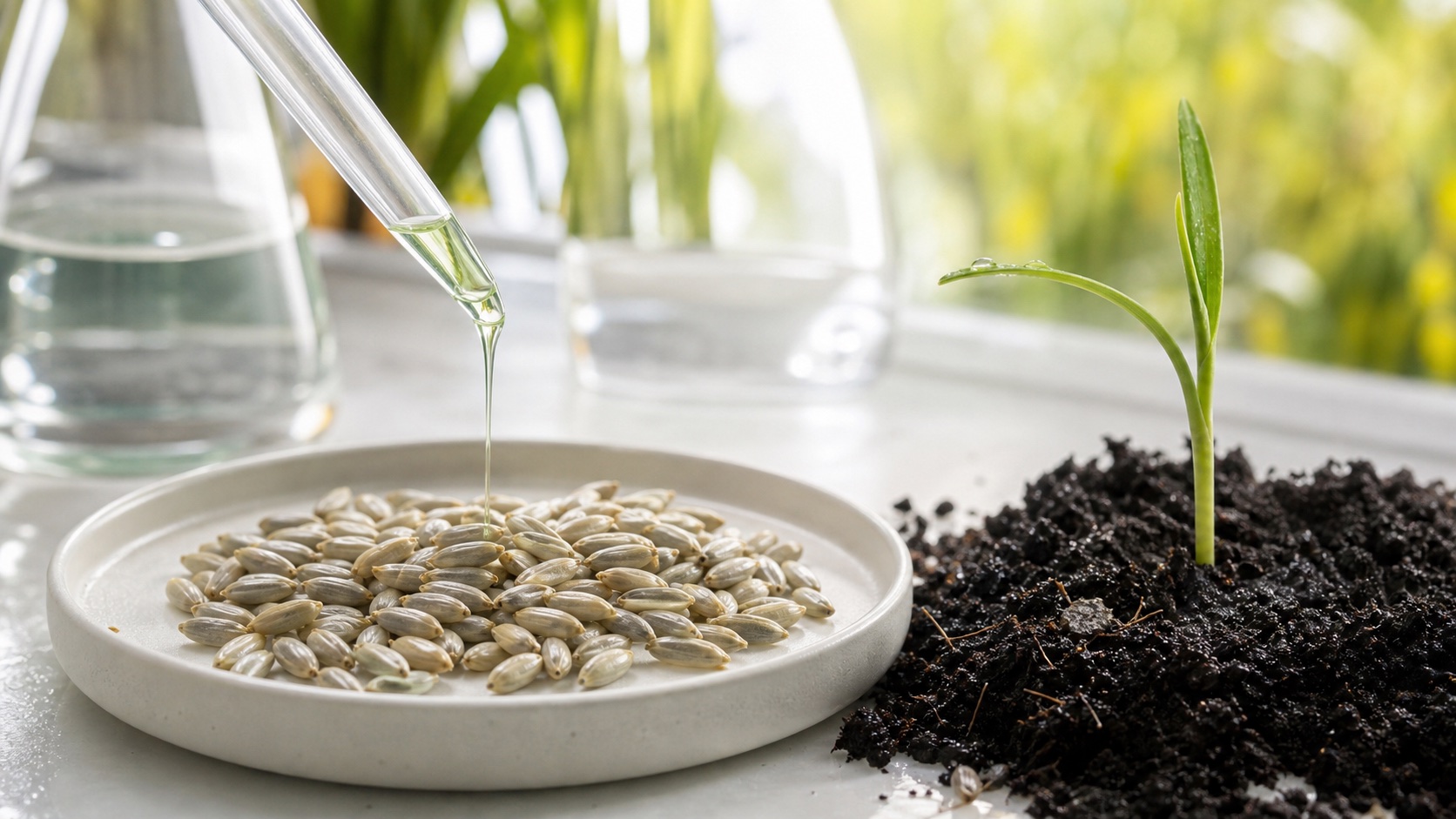
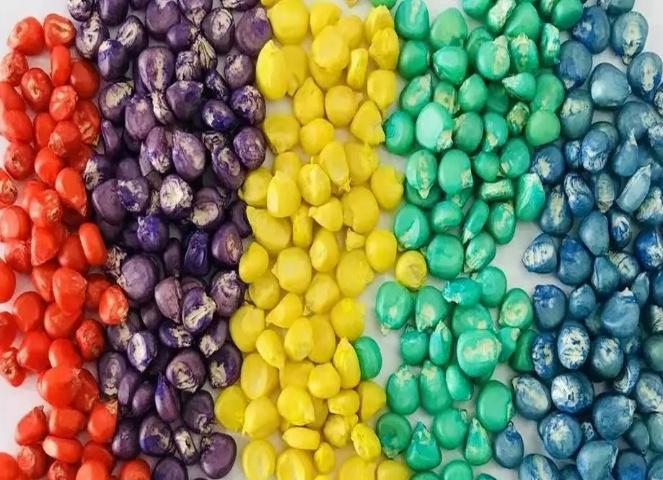
The microfibrils network is used to maintain an even distribution of pigments, fertilizers, pesticides or other bundles and to form continuous cover on the seed surface.

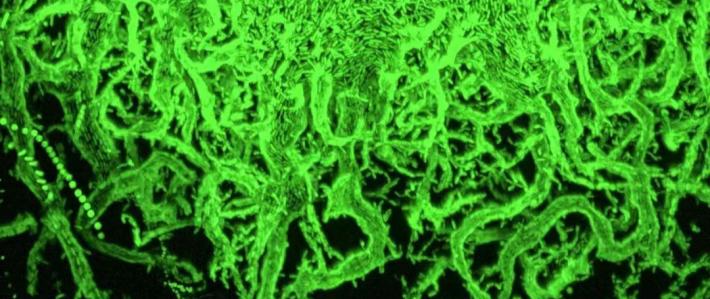
Microfibrils network can surround and limit the deposition of fertilizer particles. Storage stability needs to be identified in combination with salt content, solid content, particle particle size and temperature changes; release behaviour needs to be curved by load, network density, medium composition and target soil conditions.
A water-friendly microfibrils and a three-dimensional network can also be used for soil moisture management studies. The results should be evaluated separately for sand, border or clay.
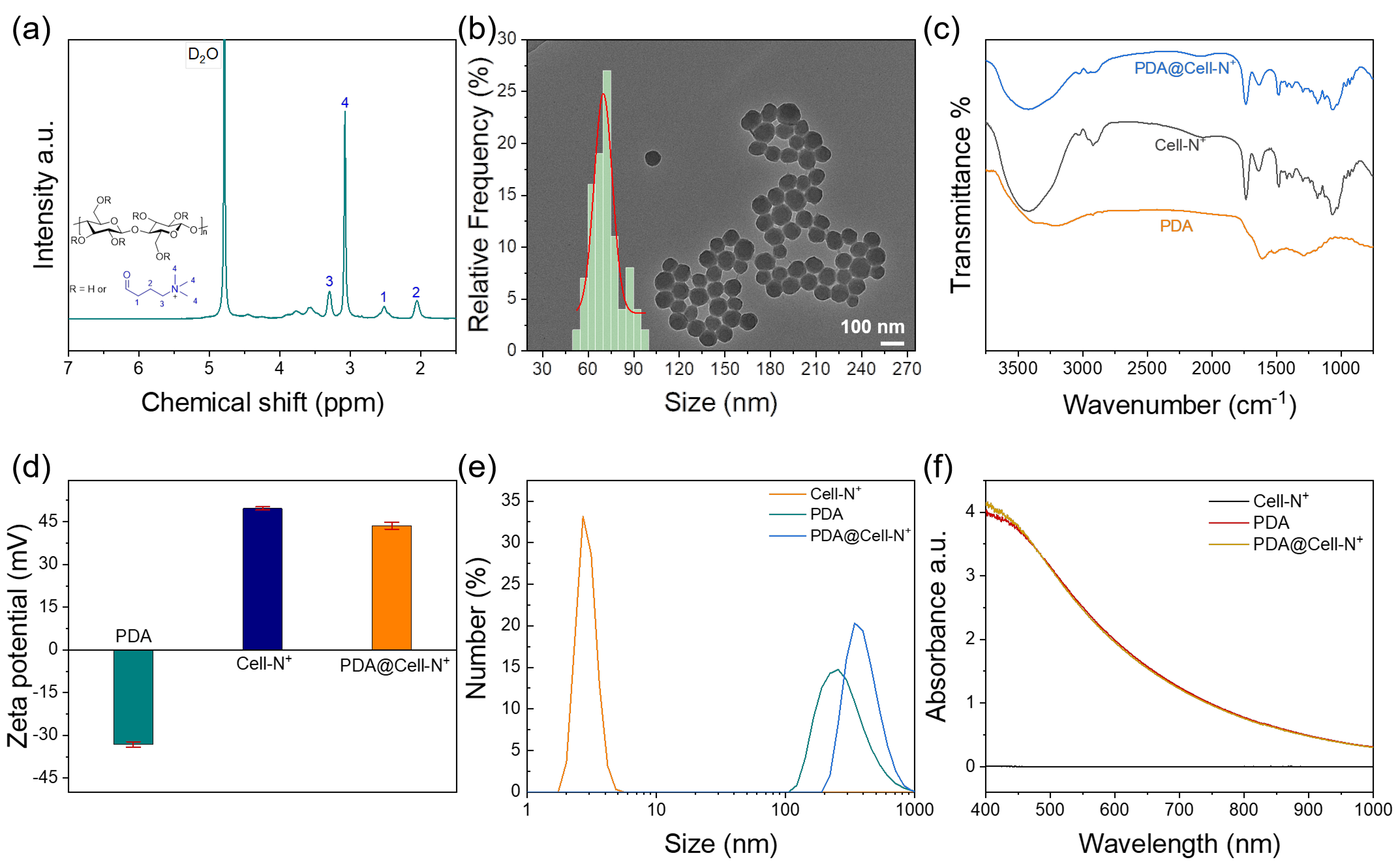
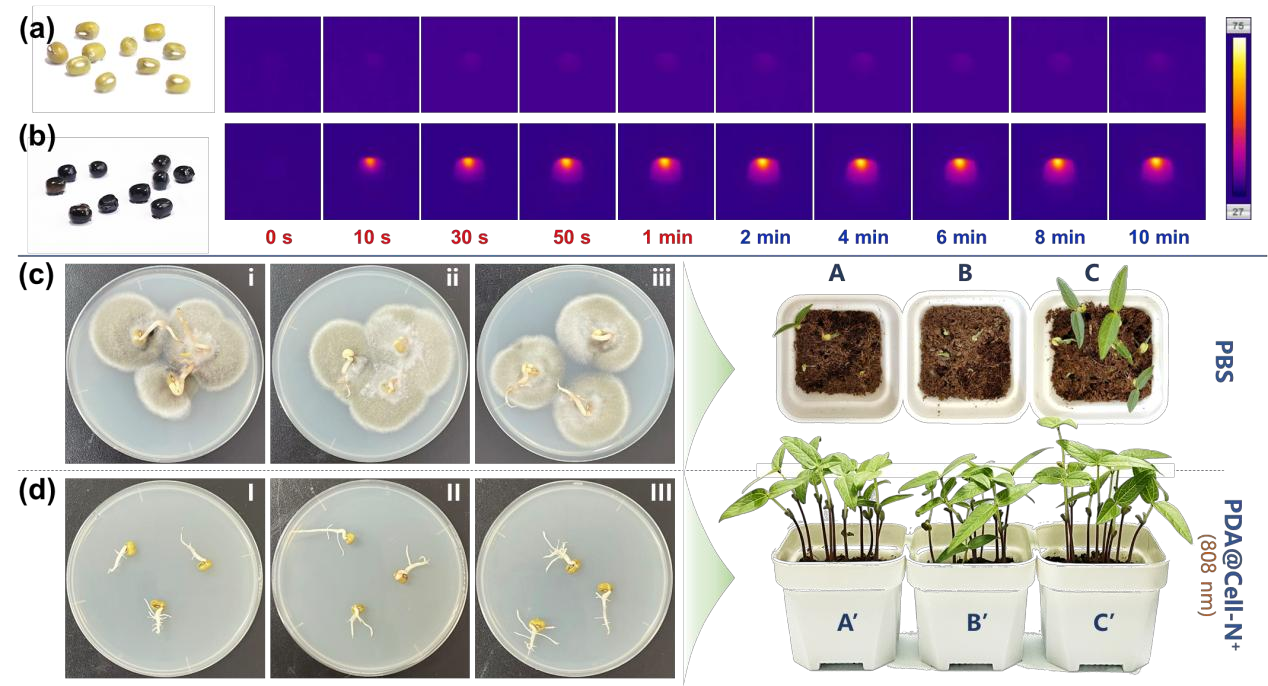
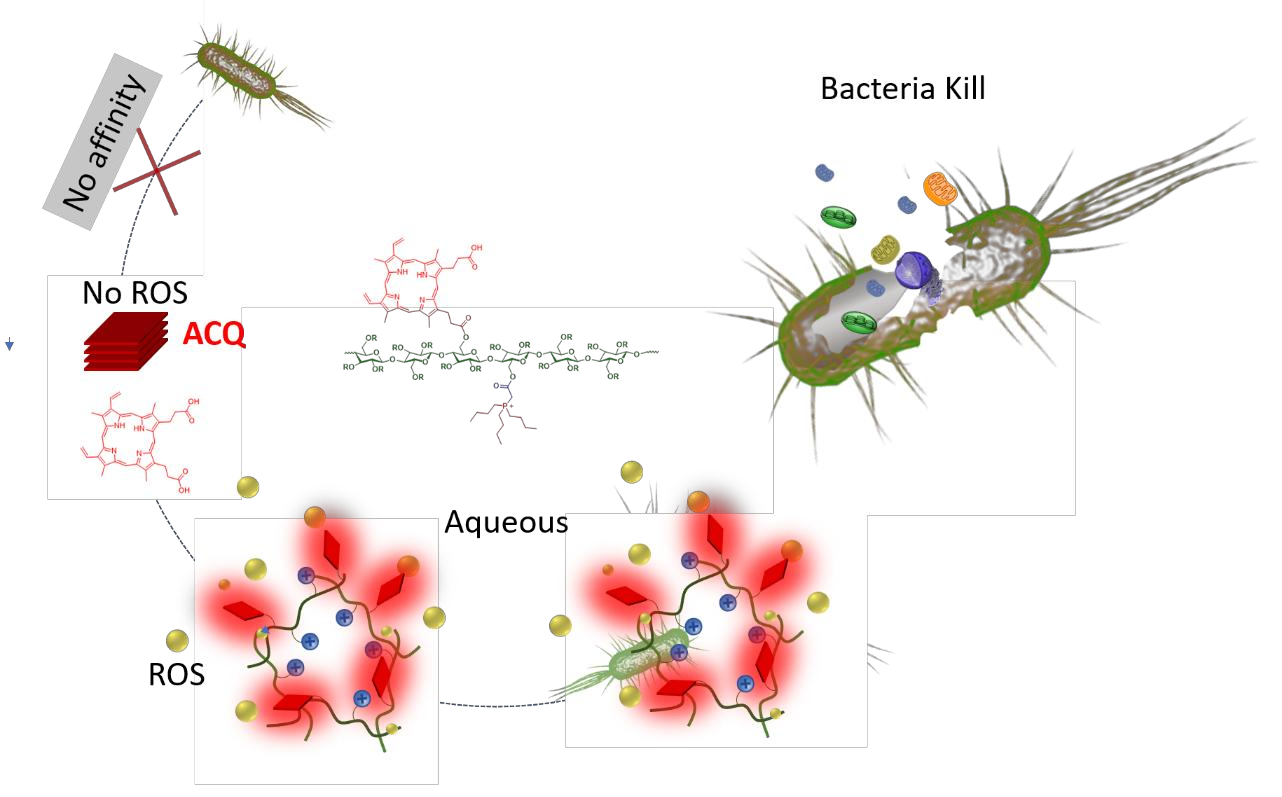
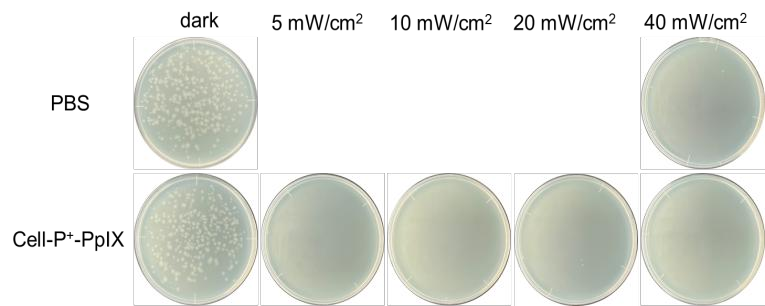
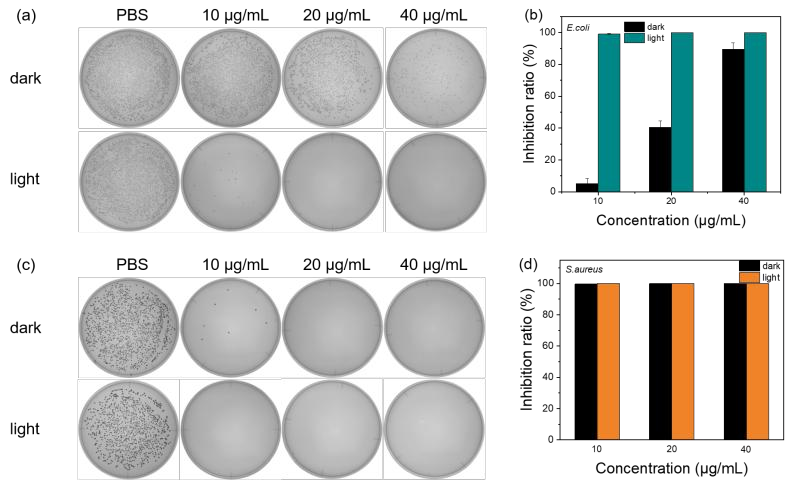
PDA@Cell-N+ and Cell-P+-PpIX are a cellulose derivatives research system and are not equivalent to the specifications of BacFiber® AGR finished. The following studies are used to demonstrate the expansion of cellulose skeletons in the direction of functional carriers.
Cell-N+ and negative dopamine nanoparticle PDA assembled through electrostatic activity. Cell-N+ provides positive electrical and membrane capacity, and PDA produces local warming in light.
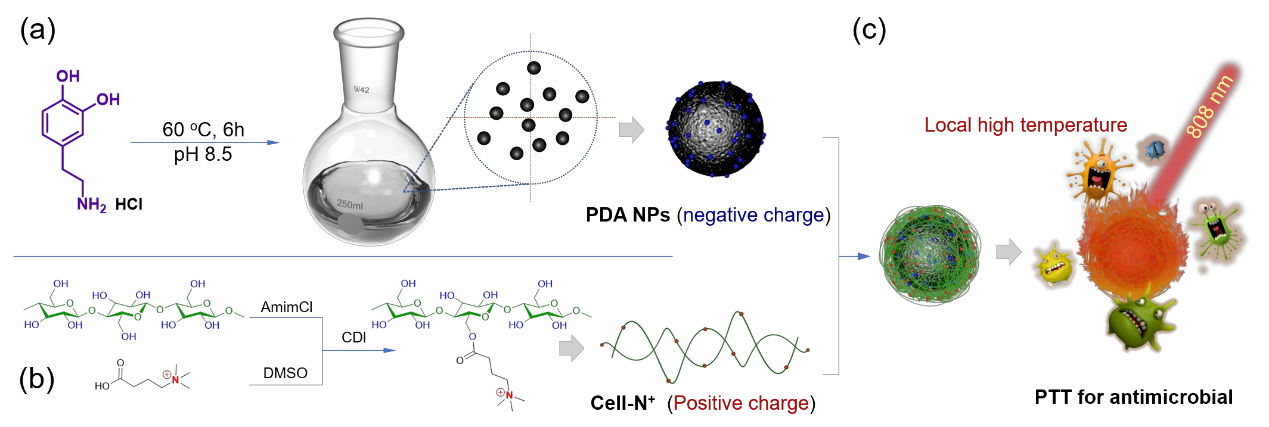
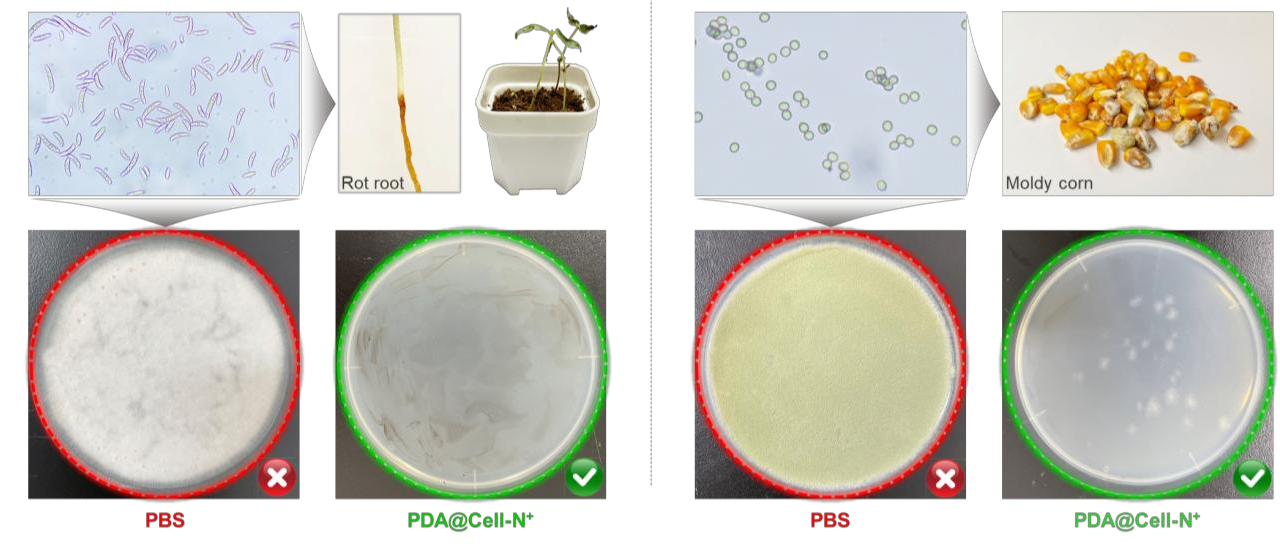
The anion structure is electrostatic with a negative bacterial surface; the photo-sensitive structure produces highly oxidizing active oxygen following white light exposure and undermines the integrity of the bacterial membrane. The cellulose skeleton can reduce the fluorescent fluorescent luminium due to luminium accumulation.
The derivative research described above is not equivalent to the performance of BacFiber AGR finished product. Agricultural applications require separate material safety, effective concentration, light conditions, crop compatibility, environmental impact and field validation.
Card numbers, additions, order of additions, dispersion and cut-off conditions should be determined according to the targeting and application process.
It is recommended that basic information be prepared on active ingredients, oil case, particle size, solid content, salt content, pH, application equipment and target stabilization cycles.