
Nanoscale microfibrils
20-40 nm in diameter and micrometer in length, with a relatively high-aspect-ratio and a larger surface area.
high-aspect-ratio-NatFibra® fiber from sugar.
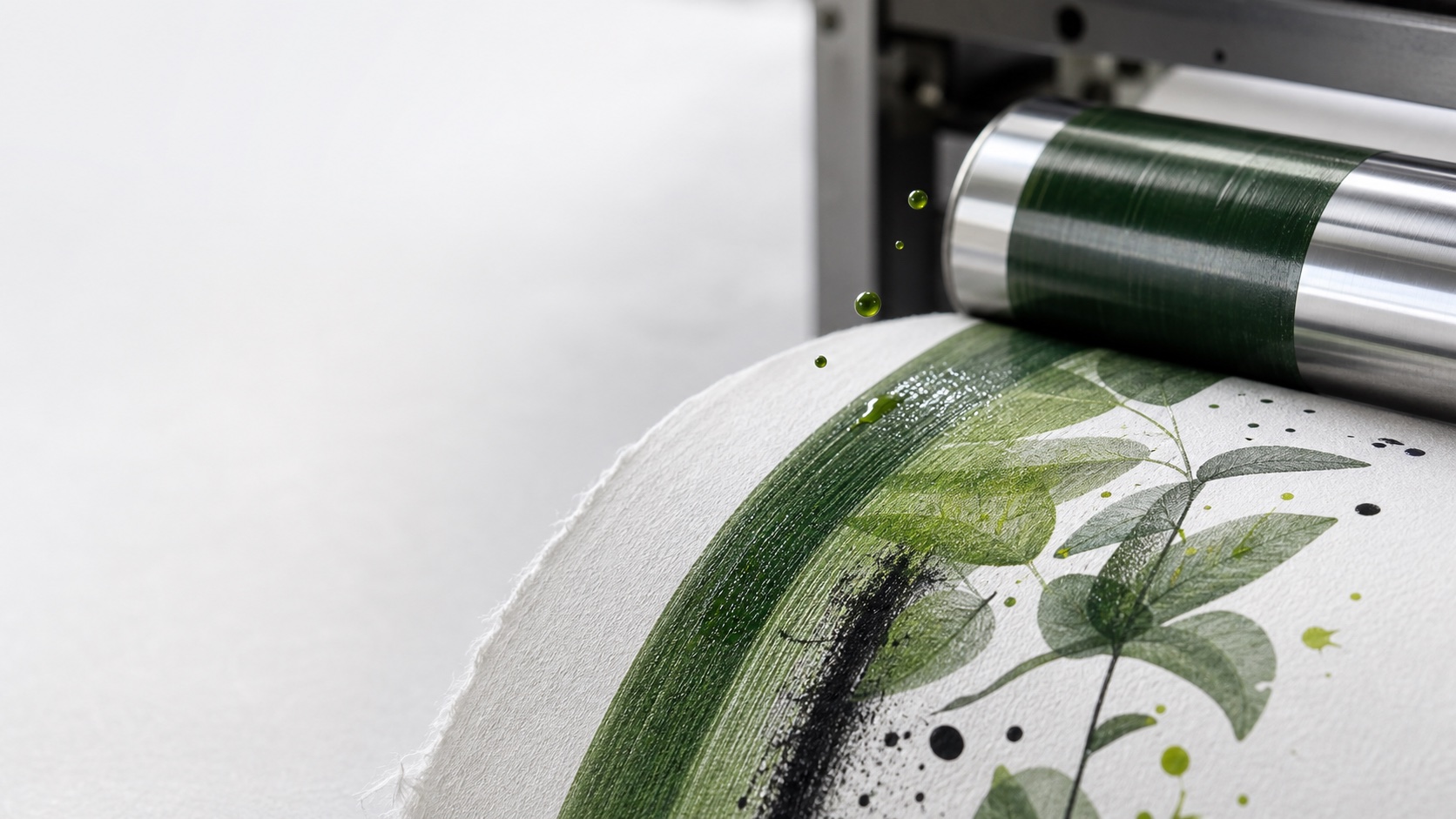
Microfibrils are interwoven in aqueous case into a three-dimensional network that can be exposed to paints, fillings and base surfaces for aqueous ink, paper coating and printing for development.
View material parametersBacFiber AG is made of sugar-based fermentation. The product fibres are 20-40 nm in diameter, of micrometer length, have a higher-aspect-ratio and a larger surface area.
Microfibrils are scattered behind the liquid phase and are interwoven into a continuous three-dimensional network. This structure can be exposed to paints, fillings and other dispersed particles, providing regulatory tools for particle dispersion, storage status and dry layer structure in aqueous ink, paper coating and printing formulation.
Product performance is related to solid levels, particle types, resin systems, pH, salt content, cut conditions, drying methods and printed materials. The additions and process parameters shall be determined by the objective validation test.
BacFiber AG uses bacterial and sugar-based fermentation to prepare abacterial cellulose, which is purified and configured according to application needs. The process retains the microfibrils structure of the practiceerial cellulose and allows the material to be used for water-based development.
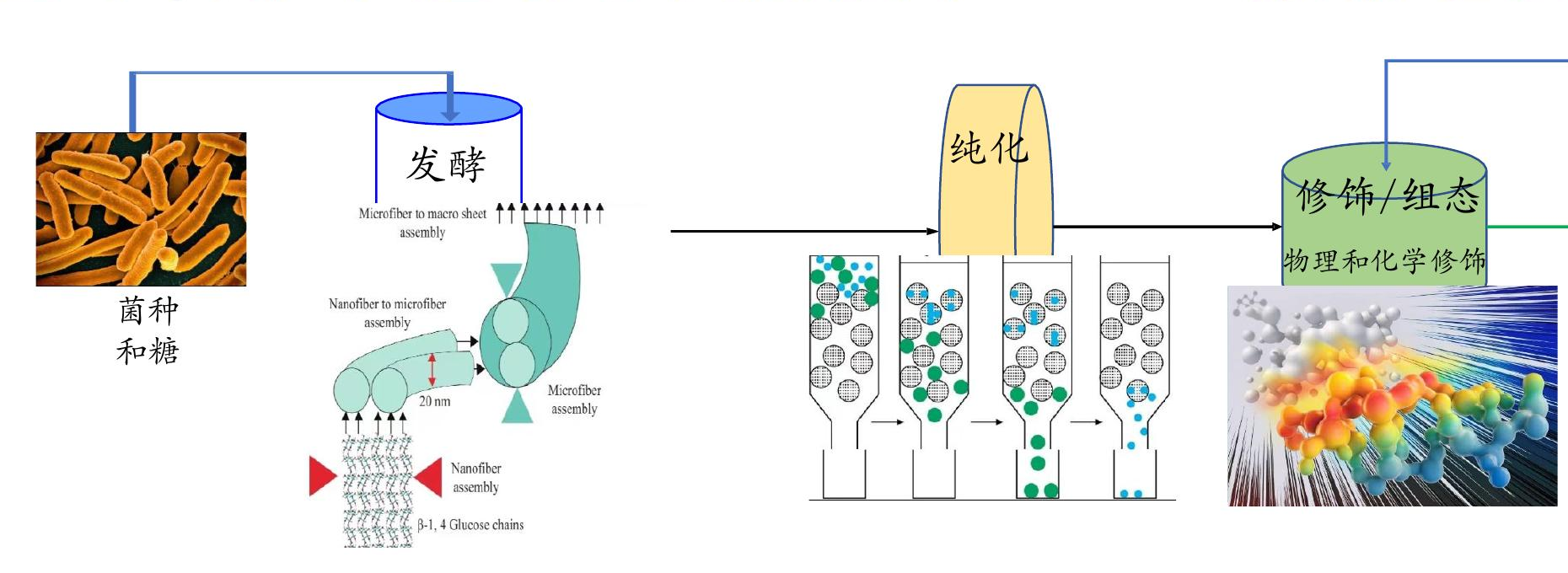
It's made of sugar-based fermentation.
NatFibra® fiber with high-aspect-ratio.
Removes non-target components from the fermentation system.
Product configuration based on paper, ink and printing systems.
High-aspect-ratimicrofibrils form more points of contact in aqueous case and have physical contact with paint, filling and base surfaces.
 123
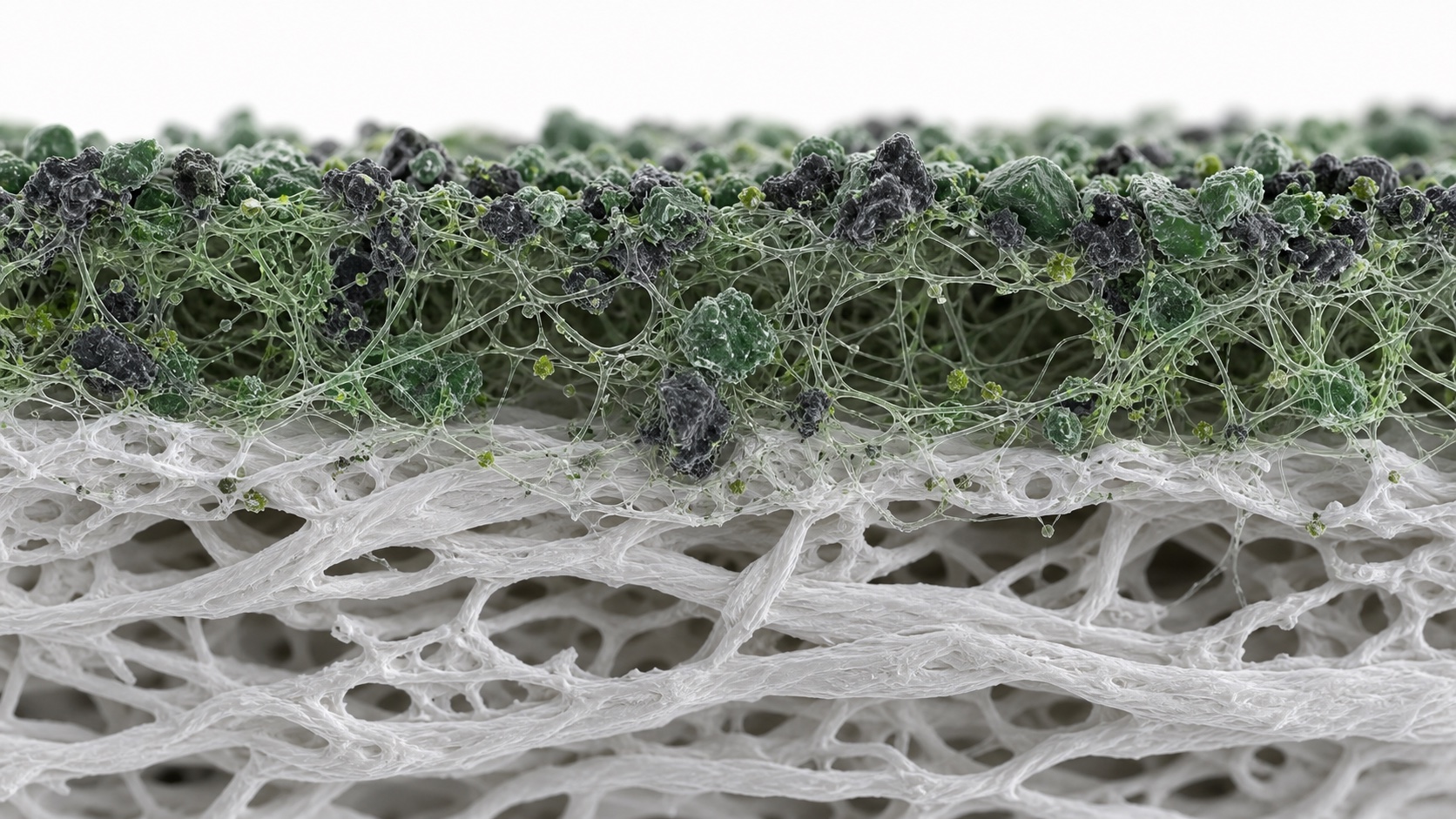
20-40 nm in diameter and micrometer in length, with a relatively high-aspect-ratio and a larger surface area.
The decentralized microfibrils connect each other and form a continuous network structure in aqueous case.
Microfibrils form multiple physical contact with paint, filling and base surfaces.
The cellulose molecules of BacFiber AG are connected by glucose units through β-1,4 glycosidic bond. Molecular chains are further assembled into nanoscale microfibrils and form interconnected three-dimensional structures in aqueous case.
The fragmentation and network intensity of the material in a specific context is affected by solid content, cutting conditions and composition of the material, which should be verified in conjunction with the target system.
 05
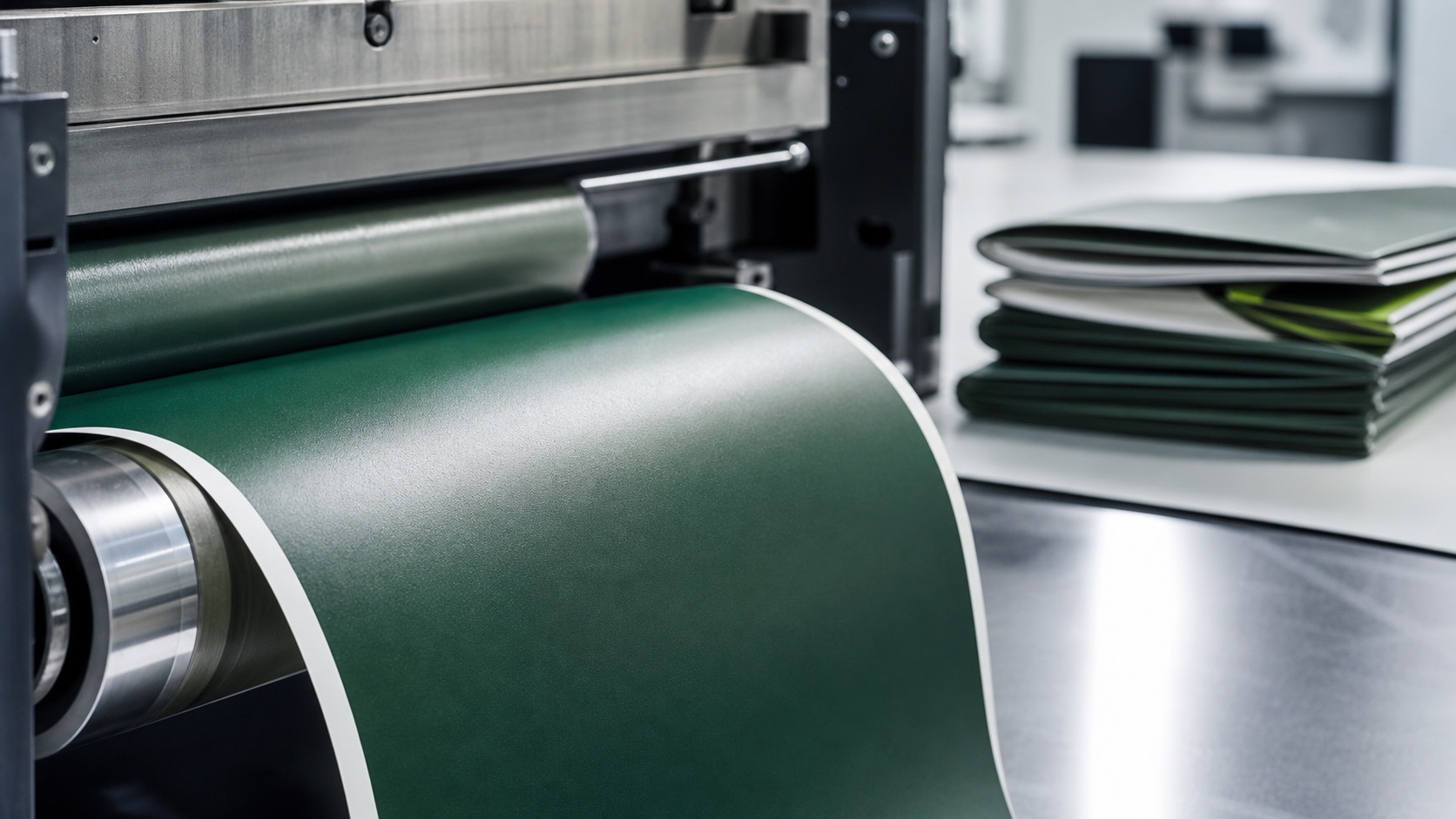
Microfibrils are in different structural states during liquid phase, printing transfer and drying. Performance evaluation should cover storage, construction flow, ink formation and reprocessing.
The microfibrils network limits the free movement of paint or filling particles in static conditions.
Microfibrils are kept in ink or coating after drying and participate in the formation of a continuous structure.
Packaging and labelling applications need to be evaluated in conjunction with fractures, loss of ink layer and surface integrity.
Low shearing, construction viscosity, touch recovery, flow leveling and transfer properties should be measured separately.
A single sticky value is not a substitute for the evaluation of particle stability, printing fitness and dry layer performance. The test project should correspond to the target formulation and process conditions.
Microfibrils network limits the transport of paint or filling particles
Sediment height, storage time, centrifugal state, dispersion
A network of connected microfibrils in static form
Yield test, low cut sticky, touch recovery
Multiple physical contact with granular formation in high-scale surface area microfibrils
Dispersive homogeneity, particle distribution, colour and hair
microfibrils retained in ink or coating and involved in network structures
Investing, friction-resistant, surface strength, powdering
microfibrils structure can bend with base Change
Cracks crack, inks fall, bends again and again.
The network is cutting down and changing direction and structure
Pumping, filtering, coating, transfer, smoothing and cleaning
BacFiber AG may be used for the development of hydro-systems containing pigments, fillings, resins or membranes and commonly used formulation aids. Temperature, pH and salt content affect the role between the microfibrils and the FORMULATION group, the specific scope of application shall be determined by stabilization and process tests.
Particle size, density, surface treatment and addition of pigments and fillings
Type, solid content and glassification temperature of resin or membrane
pH, salt content, solvent ratio and other current agents
Dispersive equipment, cut strength, filter accuracy and circularity
Storage temperature, storage time and freezing conditions
Printed materials, coating volume, printing speed and drying methods
Aqueous paper coating systems for paint or filling, with emphasis on fragmentation, coating surface strength, friction resistance and crease integrity.
The static deposition, redispersion, construction viscosity, printing transfer, smoothing, attachment and friction resistance were examined.
A combination of ink resin, surface treatment of base materials, printing methods and post-processing conditions confirm bending and modulation applicability.
High-container, high-salt, special solvent or high-temperature processes require separate compatibility and process validation.
Test the suitability of a jet or nozzle, cut recovery, deposition, jamming risk and structural integrity after formation.
BacFiber® AG does not have a single addition across formulation. The addition shall be based on pigment or filling load, particle density, target flow, printing and storage requirements.
Products can be distributed directly into the water industry. The order, shear strength, dispersion time and temperature shall be determined by a small test, and the conditions for filtering, pump delivery, circulation and washing shall be checked before magnifying production.
Low shear structure, construction viscosity and storage status shall be evaluated separately for combinations with other cellulose, integrated denser, inorganic mutagen or high molecular dispersion agent.
Material fragmentation, filtering and batch recurrence
Initial viscosity, low shearing flow, touch recovery and construction sticky degrees
Storage stability at constant and target temperatures
Declination, redispersion and particle size change for paint or filling
Painting or printing transfer, smoothing, drying and surface status
Intense, friction, cracks and ink.