
Uncoated pellets
The resin number, the melting rate and the basic mechanic performance are confirmed.
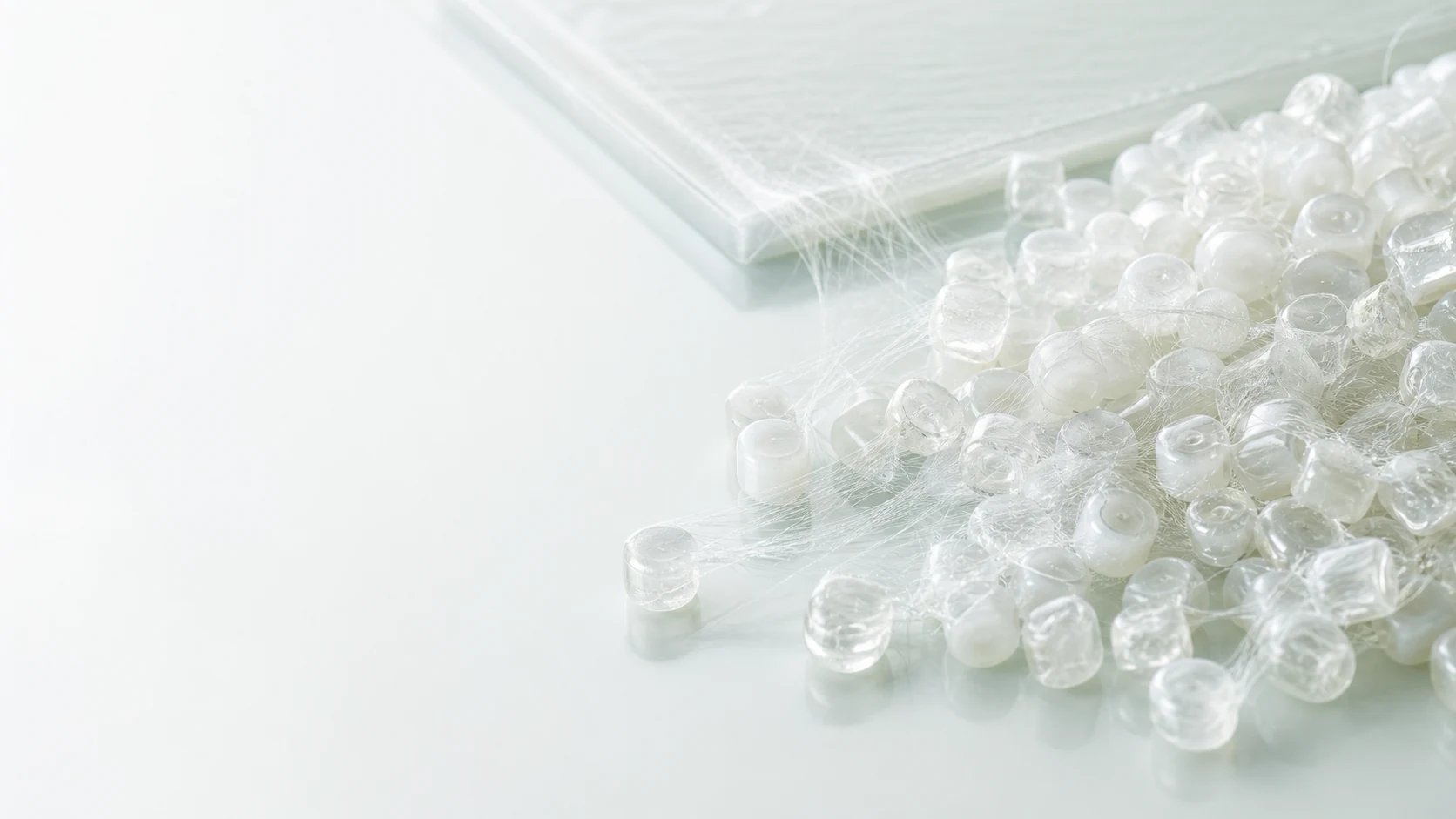
Polypropylene granules with bacterial nanofibre sheet bread cover and regeneration enhancements
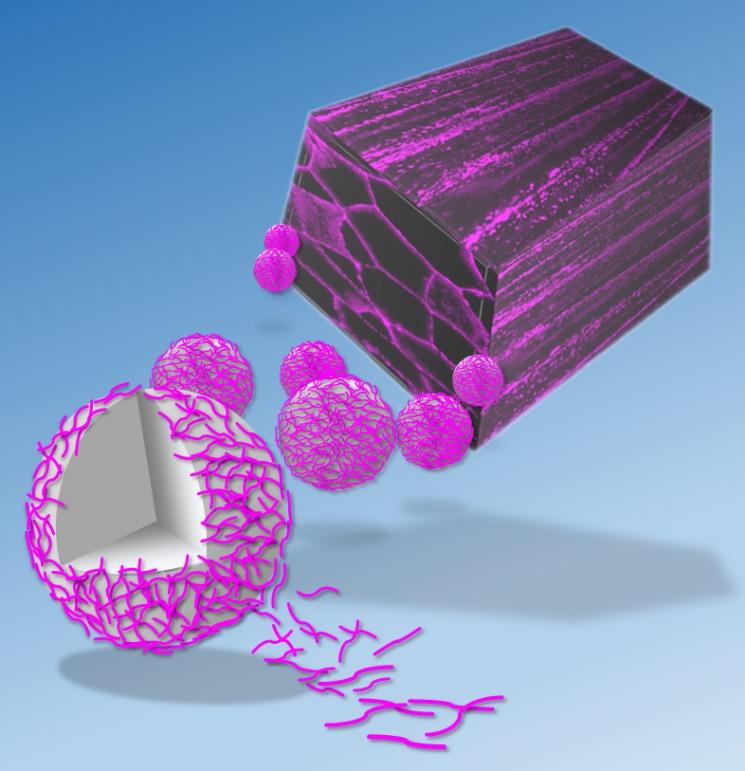
Bacteria nanofibre is covered with polypropylene particles through ACC aqueous phasy treatment. Packed particles are used for plating and evaluating impact performance and cyclic reprocessing according to target resin and processing conditions.
View technical contentInno-Co Plas is structured with bacterial nanofilaments, which are prepared for nanofibre dispersion through aqueous case-to-ground treatment and are covered by nanofibres on polypropylene particles.
The particles may be formed using the plating process. Nanofibre is exposed and interwoven during melting and formation, forming interconnected fibre structures within the formation.
Product import needs to be combined with resin brands, regenerative composition, granular state, packaging homogeneity, dry conditions and aggregation parameters.
Bacterial cellose is connected by glucose monomer via β-1,4 glycosidic bond. Sugar is fermented by microbes to form cellulose, which is purified and obtains the material of the actual cellulose. Microfibrils have a length of more than μm and have a higher size than the surface.
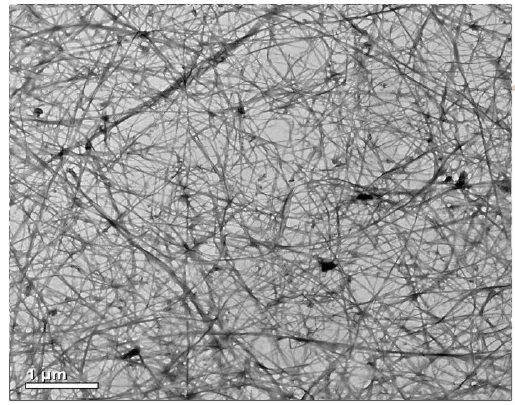
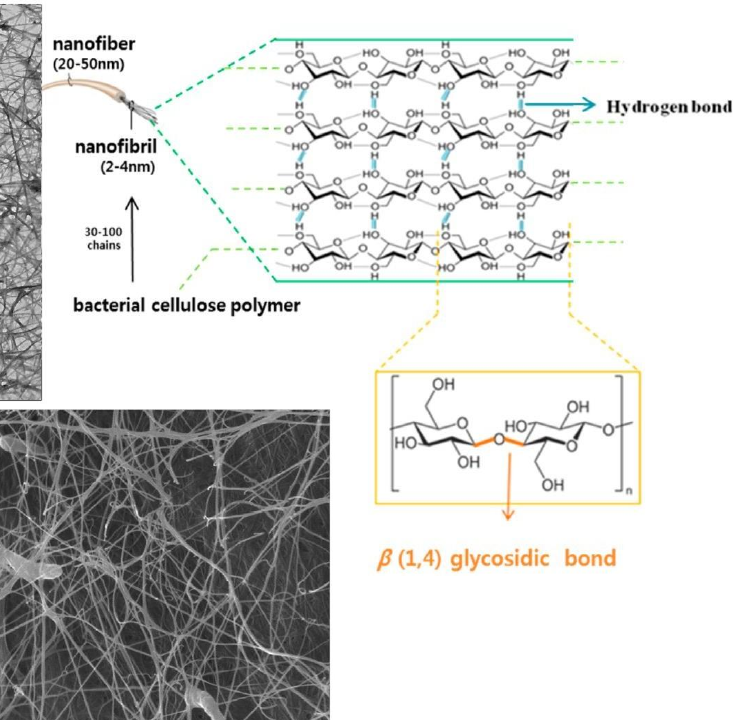
Opposite high pressure water flowed into the nozzle, decomposing the fibre beams in the visceral gel from the nanofibre scattered in the water.
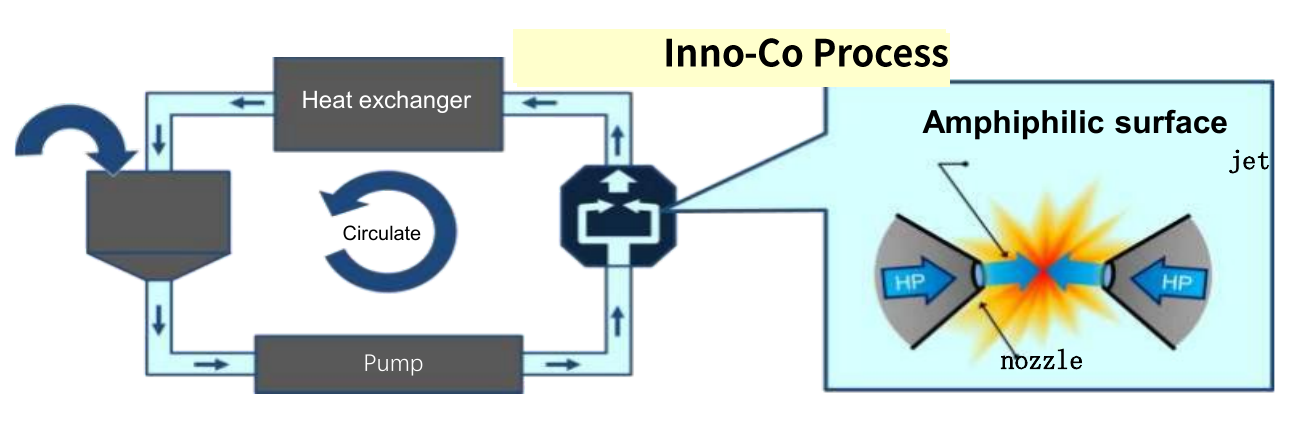
Quite purified gel is scattered in aqueous case.
Opposite high-pressure current treatment fibre beams with nanofibre dispersion.
Polypropylene particles are in contact with ACC-CNF dispersions and fibres are attached to the particle surface.
Complete follow-up processing of packaged particles to control water retention and storage.
(b) Be sampled according to target processing conditions and complete the mechanics and processing performance tests.
When polypropylene particles are added to ACC-CNF water dispersion, nanofibre is attached to the particle surface. During formation, polypropylene is melted and filled, and nanofibre on the particle surface is exposed and interwoven with material flows.
The resin number, the melting rate and the basic mechanic performance are confirmed.
Evaluate particle surface cover, reunification and actual solid content.
Evaluate the internal structure and mechanics of the production by target process.
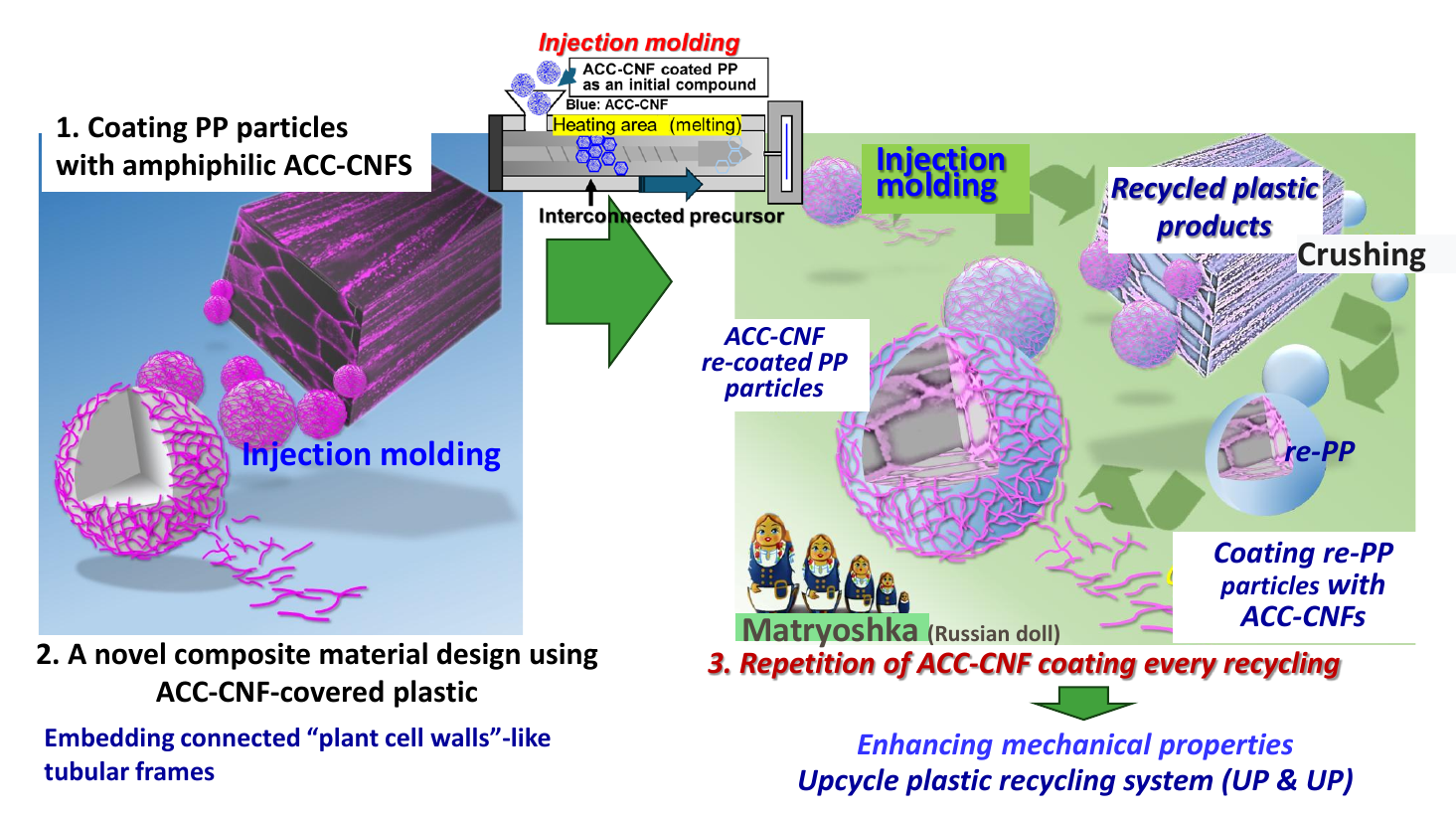
After the recovery parts are broken, regenerated polypropylene particles are re-exposed to ACC-CNF and then enter the next formation process. The design was used to study additional methods for nanofibre structures during multiple recovery processes.
Packed particles are made of polypropylene components according to the target process.
Recycled components are selected and broken to form regenerative polypropylene particles.
Regenerative particles re-engage with ACC-CNF to supplement surface fibre structures.
Record the history, processing state and production performance of the various heat rounds.
4-5 cycles(b) The development of the technology path. Cycle frequency and performance retention rates are to be confirmed through successive batch tests.
Non-covered virgin polypropylene particles and polypropylene particles covered 0.01 wt% ACC-BNC are presented in plastic form and tested at 23 °C.
The package sample reached 160% of the sample, corresponding to a relative increase of about 60%.
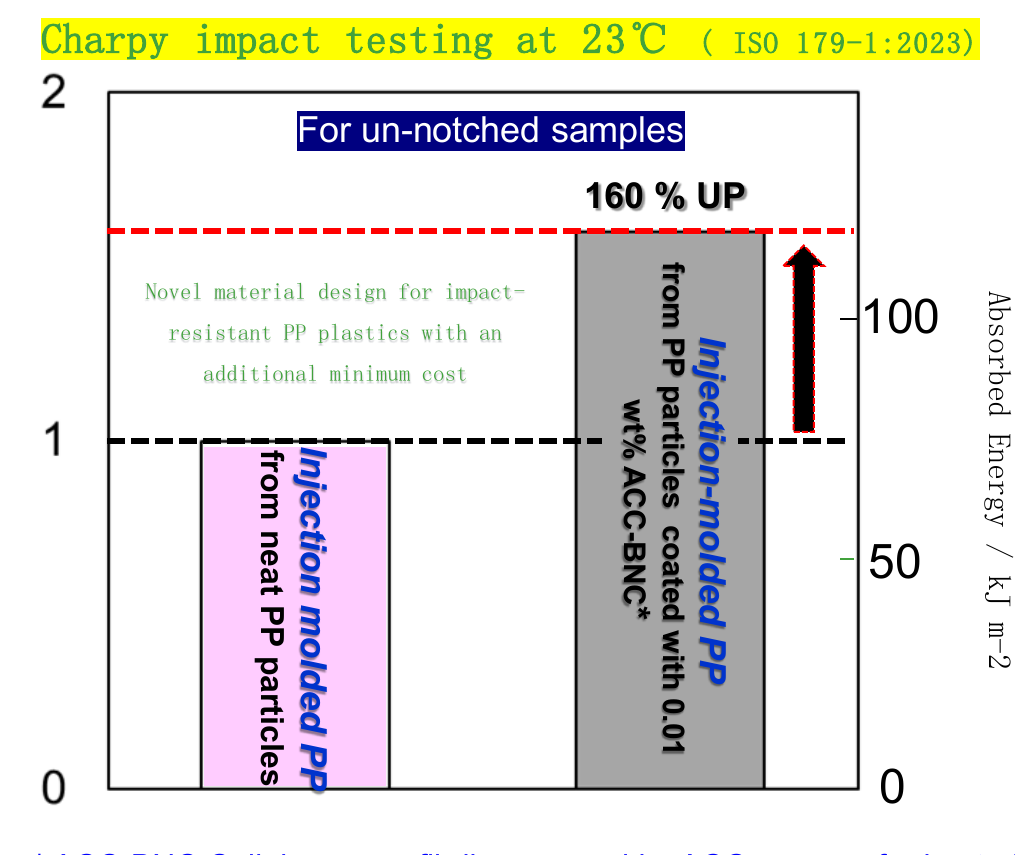
ACC-BNC means a cellulose based on bacterial nanofilms manufactured through ACC treatments. The test results correspond only to the above-mentioned polypropylene, package, sample preparation and no gaps in Charpy conditions.
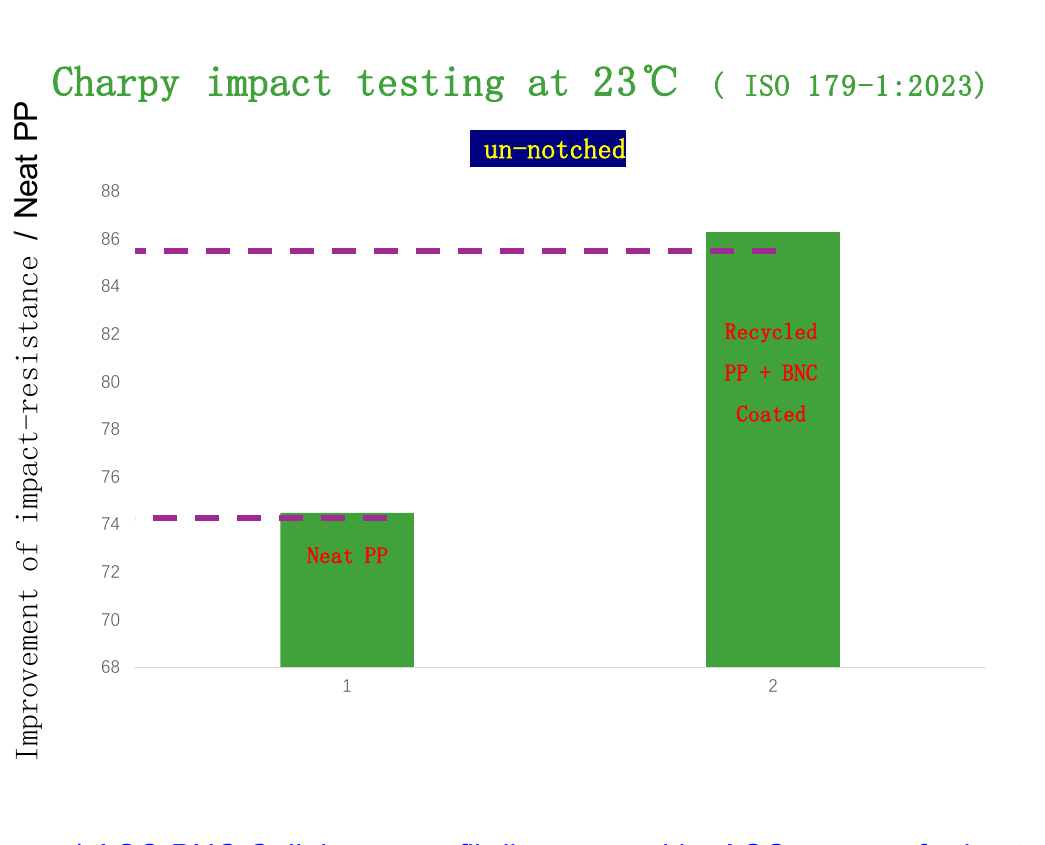
Another group of 23 °C without a gap Charpy compares virgin polypropylene with ACC-BNC covered by regenerative polypropylene. The relative results are higher than the comparison of primary polypropylene.
The original chart does not indicate absolute shock intensity units, so the result is used only for orientation comparisons with the same group of samples and does not translate to absolute Charpy impact intensity of materials.
Application direction is not equivalent to terminal authentication. Transport and high performance components are required to complete the verification of fire retardation, heat resistance, fatigue, ageing, volatilizers, regulations and overall reliability.
A study on the plasticization of primary or regenerative polypropylene particles.
Impact . Mobility . DimensionsCyclical recapsulation and performance evaluation of shredded or recycled particles.
Recycle, cover, shape.There is a need to increase impact performance and to control the development of polypropylene components for material use.
Wall thickness, load, reliability.Research on potential applications of electric vehicles, drones and aerospace components.
Statutes, ageing, whole authentication.The resin number, the melting rate, the number of recoverys, impurities and basic mechanics are recognized.
Identification of ACC-CNF fragmentation, particle surface cover, reunification and physical solidity.
Record the water-bearing rate, dry conditions and state of pre-composts of the packaged particles.
Evaluate temperature, screw cutting, back pressure, pressure and cooling conditions.
Test gaps and no gap shocks, stretching, bending, fluids, heat performance and ageing.
Compares the properties of the material and the work after each breakup, repackaging and reformulation.
The available quantitative results are concentrated on polypropylene without gaps in the Charpy impact test. The retention rate after stretching, bending, thermal deformation, long-term durability and multiple recovery needs to be verified separately with target material.