
Continuous network
Microfibrils contact each other in aqueous case, forming a continuous and insoluble α-Link three-dimensional network.

Structural material for granules, Fragrance microcapsules and low viscosity home washing systems
Microfibrils form a continuous three-dimensional network in aqueous case for the development of laundry fluids, laundry pods, hard-surface cleaning agents and home-based aroma products.
View Materials StructureBacFiber HPC is a NatFibra® fiber for laundry fluids, laundry pods, detergents, and home aroma system. The products are sugar-based fermentation materials, produced by micro-organisms, fermentation, purification and product formation.
Microfibrils are interwoven after aqueous case, forming a continuous and insoluble three-dimensional network. The structure is used to support dispersed particles and Fragrance microcapsules and to participate in the water distribution of the system and the low shear structure.
The actual effects are related to surfactant composition, particle or microcyst specification, salt content, pH, product additions and processing conditions.
The cellulose is formed by a glucose monomer connection through β-1,4 glycosidic bond. BacFiber HPC uses NatFibra® fiber in diameters of approximately 20-40 nm, longer than micrometres.
The nanoscale diameter forms a larger spect ratio with a hyper-micro length and enables microfibrils to establish more contact points in liquids.
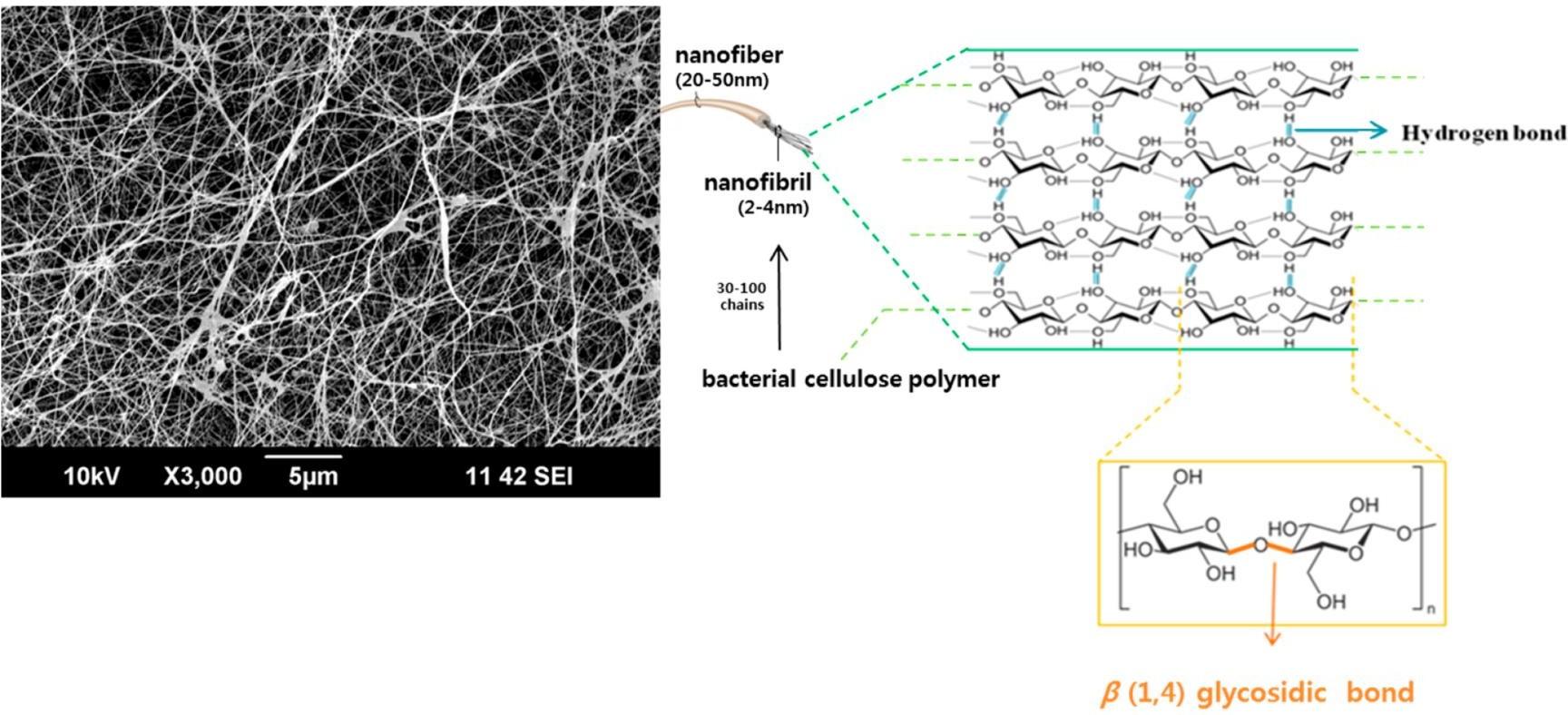
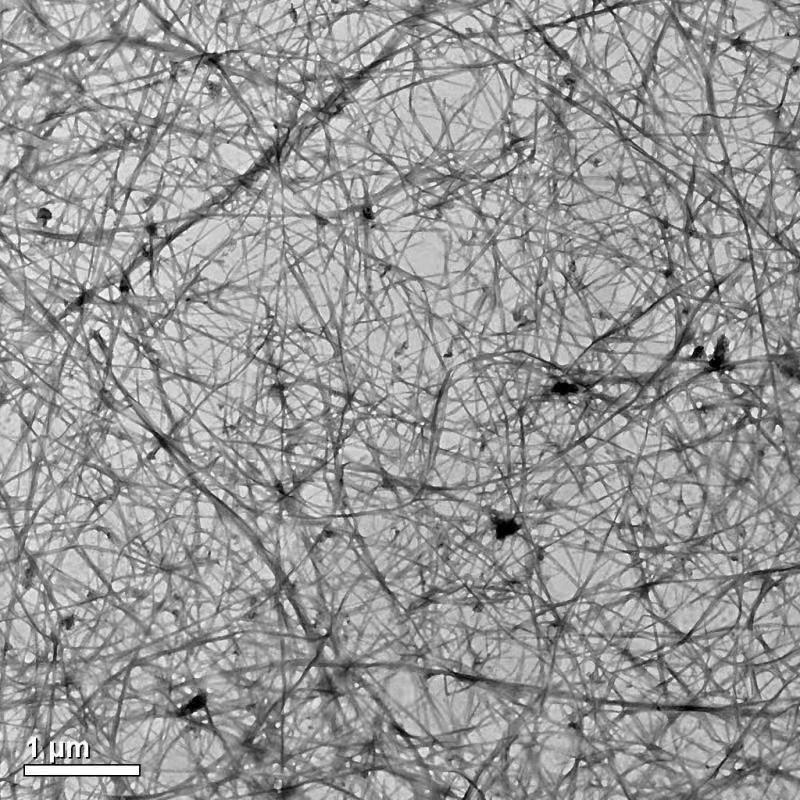
Sugar sources and bacteria metabolize by micro-organisms to bio-cellulose. After the fermentation product has been purified, the product is organized according to the dispersed and suspended demand of the home wash system.
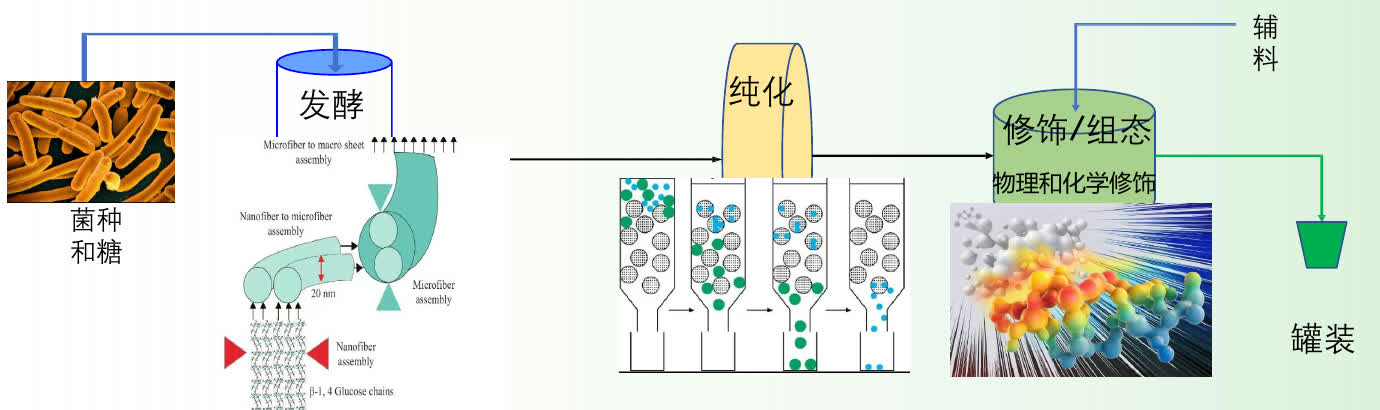
Microbiological fermentation starter
NatFibra® fiber
Remove culture and fermentation residues
Configure for home-based care needs
Filling after product indicator recognition
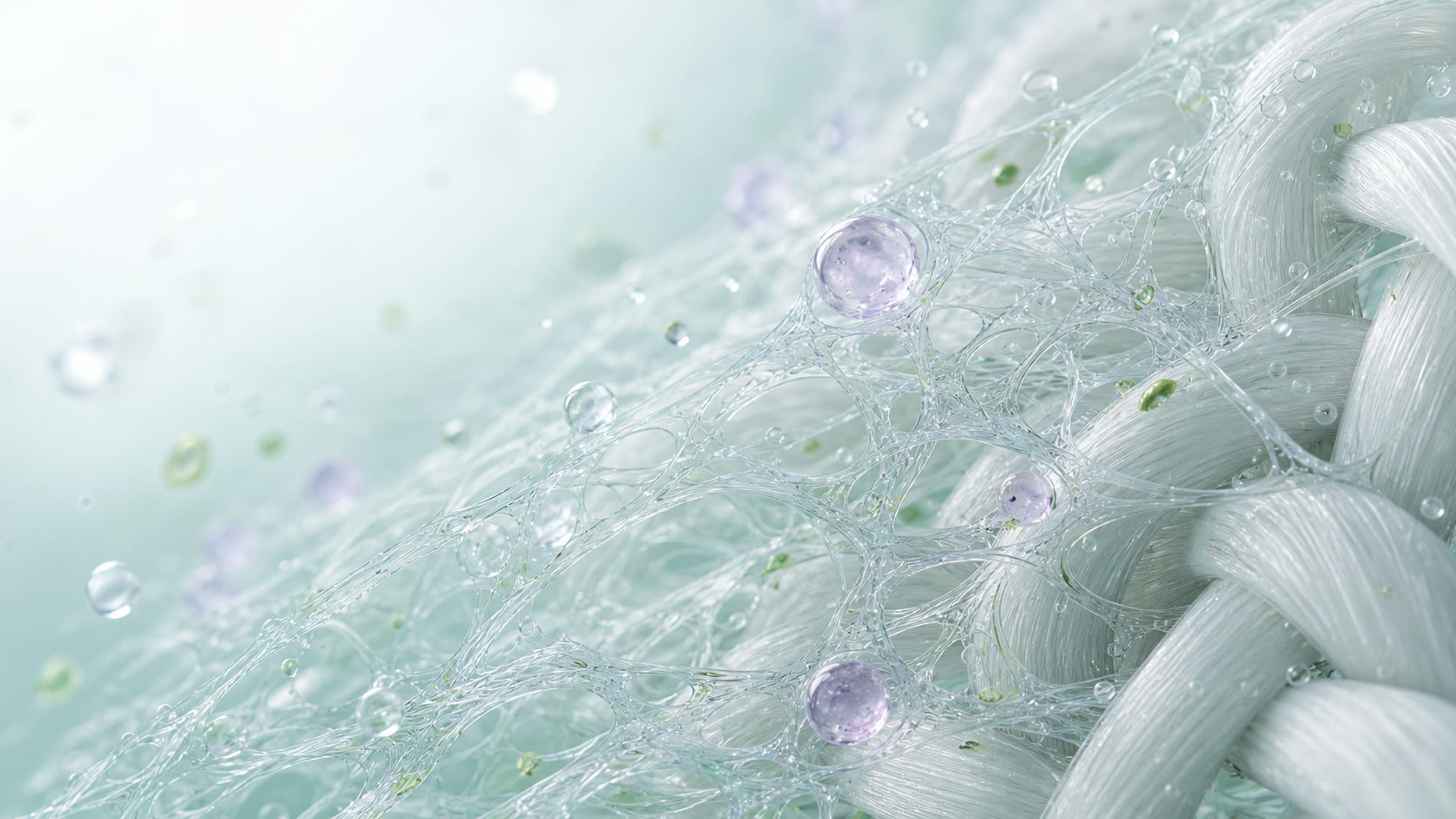
BacFiber HPC was dispersed into a continuous network of α-Link three-dimensional microfibrils. When static, dispersed particles are located in cyberspace and supported by structures that reduce deposition or upswing caused by density differences.
This mode of action is not the same as simply increasing overall stickiness. Formulation should be developed with a simultaneous examination of yield conditions, low-cut viscosity, flow curves, touch recovery and static stability.
Microfibrils contact each other in aqueous case, forming a continuous and insoluble α-Link three-dimensional network.
(c) Provide structural support for dispersed particles at static times and reduce sedimentation or upswing caused by density differences.
Structural effects are concentrated in low-cutting states, and formulation still requires recognition of dumping, pumping and filling performance.
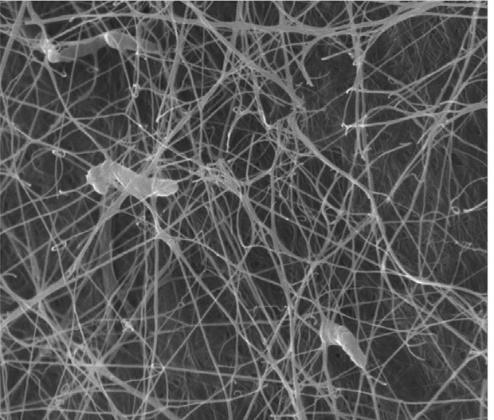

BacFiber® HPC microfibrils can serve as a micro-scattered structural basis for the clean-up process. In the washing process, the entanglement and exposure between the microfibrils network, Fragrance microcapsules and fabric fibres can be used in sedimentation studies of microcapsules on fabric surfaces.
The presence of aroma is influenced by micro-cystic walls, particles, aromatic loads, surfactant systems, washing procedures, fabric types and drying conditions.
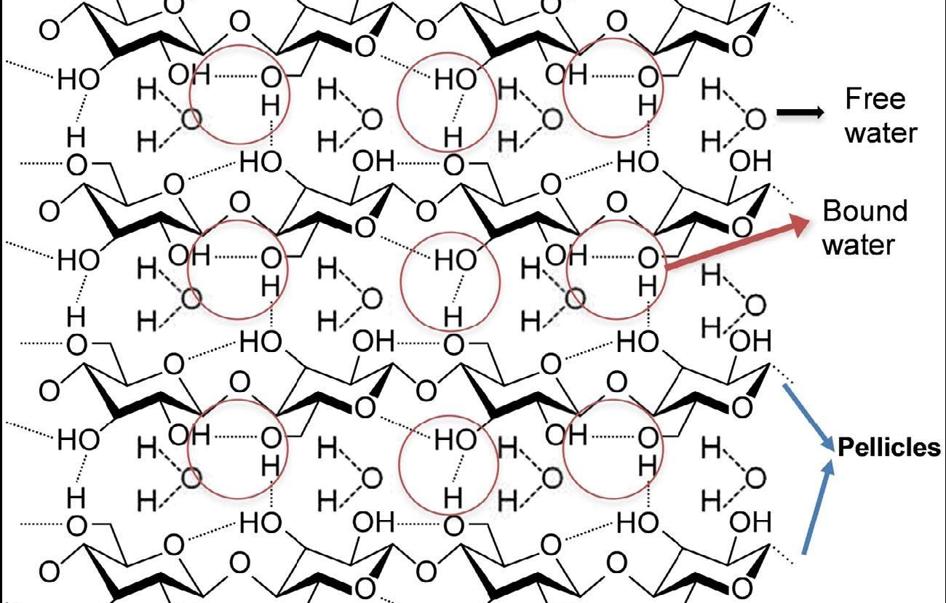
The cellulose molecular chain contains multiple hydroxyl radicals and can interact with water molecules through hydrogen keys. The moisture in the microfibrils network can be integrated with cellulose structures or relatively isolated.
The laundry pods system should evaluate membrane compatibility and storage stability in conjunction with total water content, hydroactivity, membrane type and storage conditions.
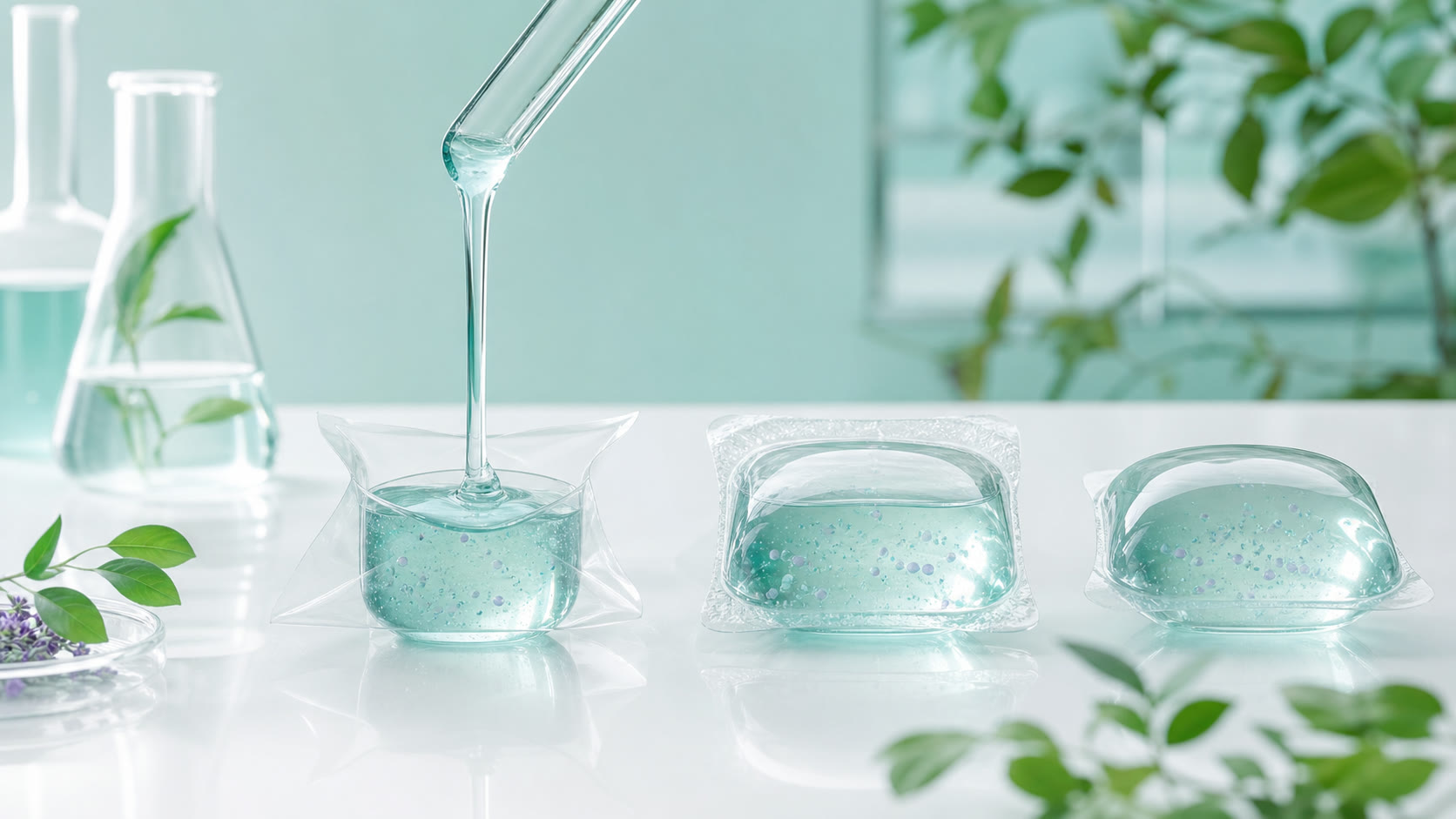
The laundry pods material needs to combine the suspension of particles or microcapsules, the fluidity of fillings and the cleanness of closed areas. The three-dimensional network of BacFiber HPC is used to provide granular support under lower matrix viscosity conditions.
Practical applications should confirm nozzle breakage, strinking, measuring precision, containment and membrane integrity by filling equipment.
Total water content, hydroactivity and ratio of combined water to free water
Filling flow, nozzle break, stanning and measuring precision
Cleanness, leakage and membrane integrity of closed areas
Objective temperature and membrane compatibility and stability under cycle

Fragmentation and suspension of insoluble particles, eyeballs and Fragrance microcapsules.
Particle or microscape suspension in low viscosity, as well as studies on moisture state and process mobility.
Particle-containing cleaning systems are evenly dispersed and staticly stable.
Fragrance microcapsules or other fragmented structures are stable.
Product additions, dispersive processes and applicable boundaries shall be determined on the basis of the objective validation tests.