
01 / Dosage
Dosage and viscosity
In the basic clean-up system with 1% NaCl, SP 9510-C triple dilution is 3-9% between 1 860-5 940 mPa.s.
SP 9510-C Triple DilutionAqua SF-1 ContrastNon-suspendant baseformulation
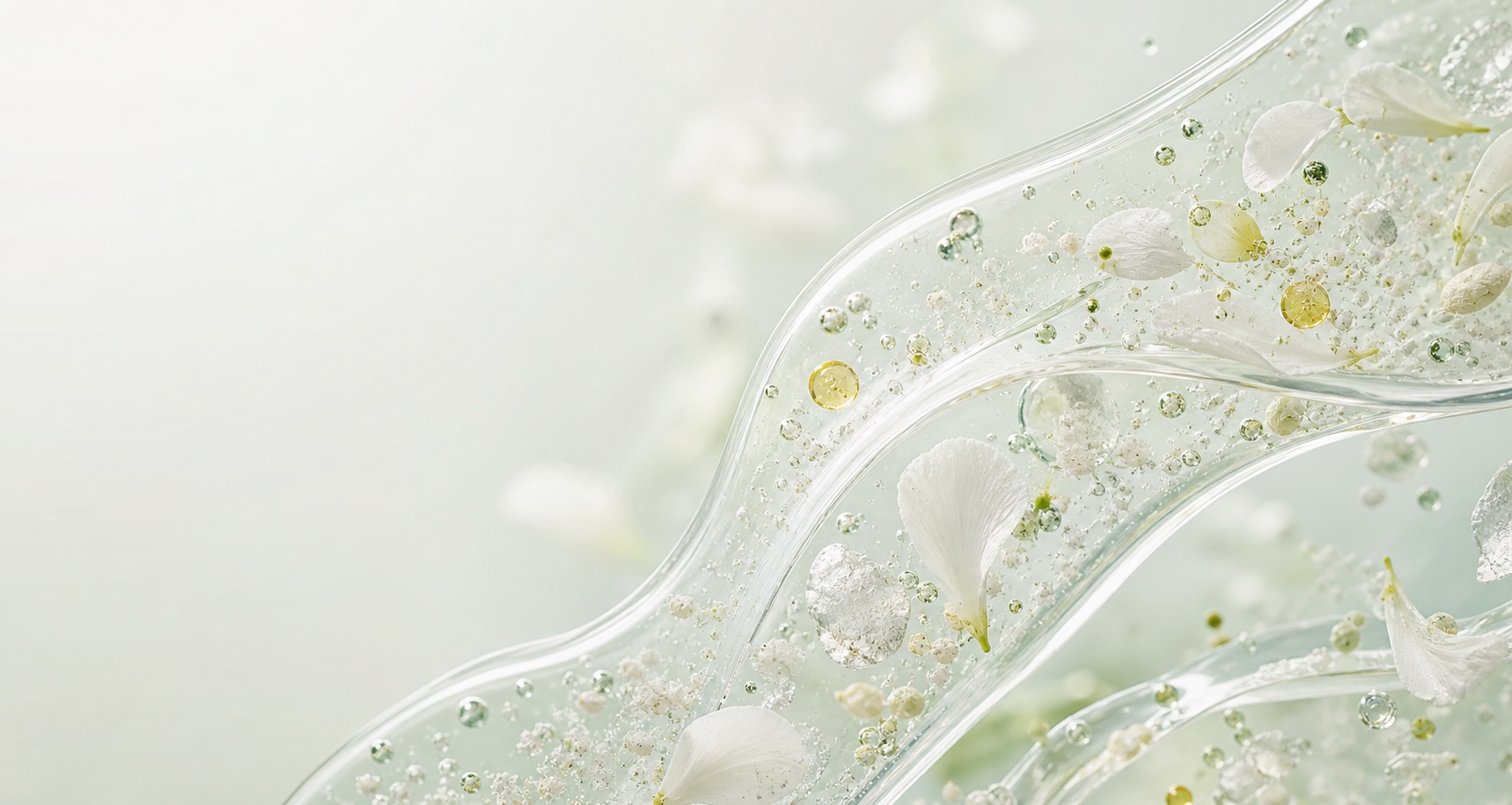
For shampoo, bathing and granular cleaning systems
NatFibra® fiber is spread over the surface active agent system and forms a continuous network that provides structural support for petals, sand particles, beads, microcapsules and other insoluble dispersive phase.
View formulation test dataNatFibra® SP 9510-C is structured on sugar-based fermented NatFibra® fiber and is made of glycerine, cellulose gum and water. Products primarily improve the ability of the clean system to withstand deposition in static and low shearing.
The actual suspension results are influenced by the composition of surfactants, salt content, pH, product viscosity, particle size, particle density and storage temperature. Additions and production conditions should be determined in the full context.
Fibre lengths exceed μm class. The higher spect rateo enables it to form a large number of points of contact in aqueous case and gradually connects it to a three-dimensional network. The cellulose chain is connected by glucose units via β-1,4 glycosidic bond.
The dispersion of microfibrils informulation depends on the order of filling, cutting conditions, surfactant composition and electrolyte content.
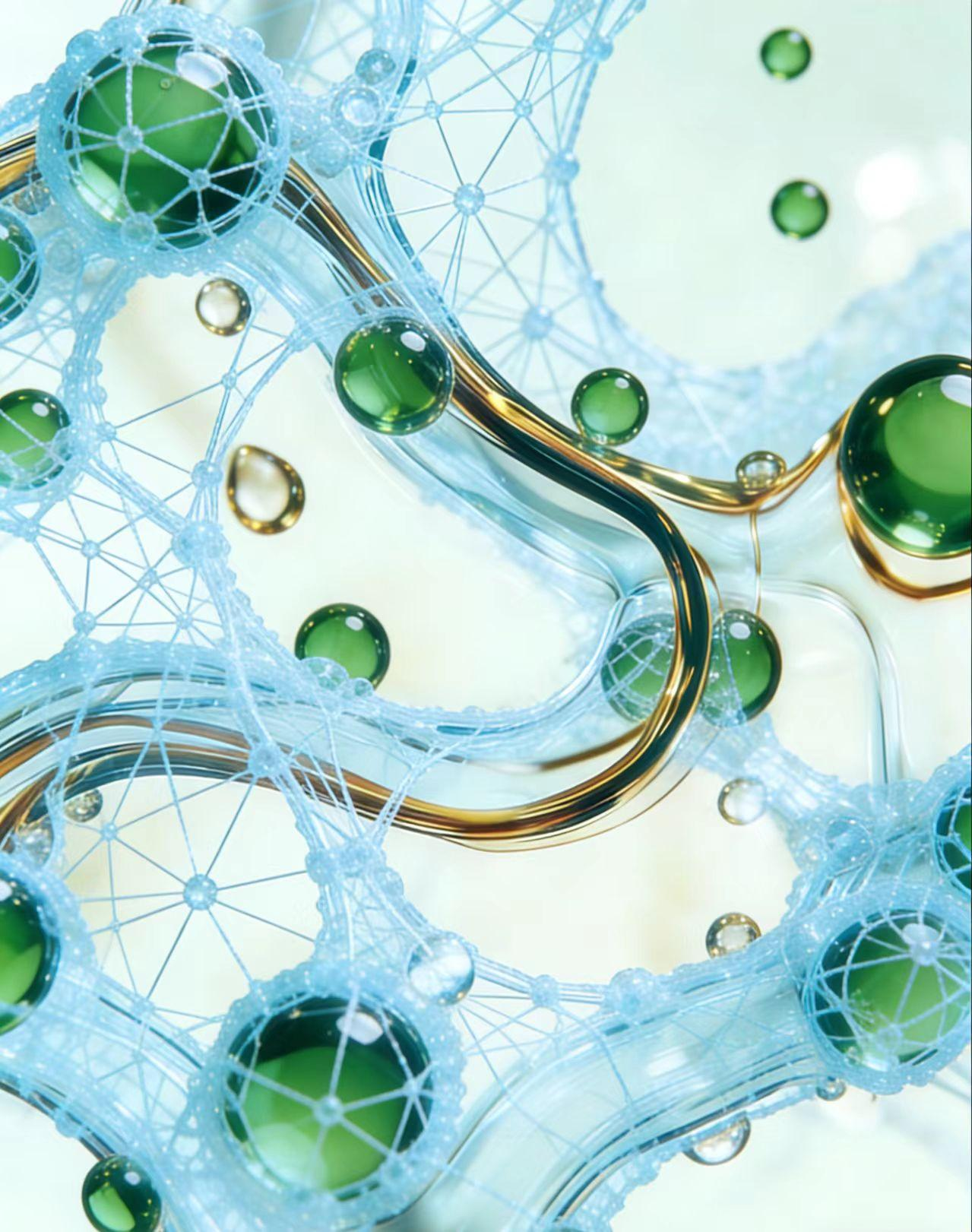
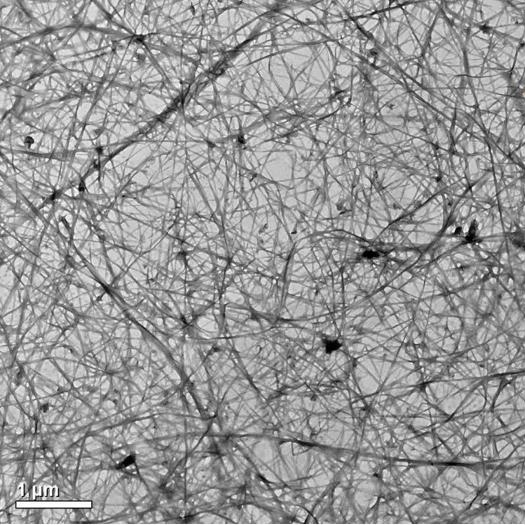
At static, the microfibrils network limits the deposition or upswing of particles due to density differences.
After cuttingThe orientation of the network when pumped, filled or painted; the structure is re-established after cut.
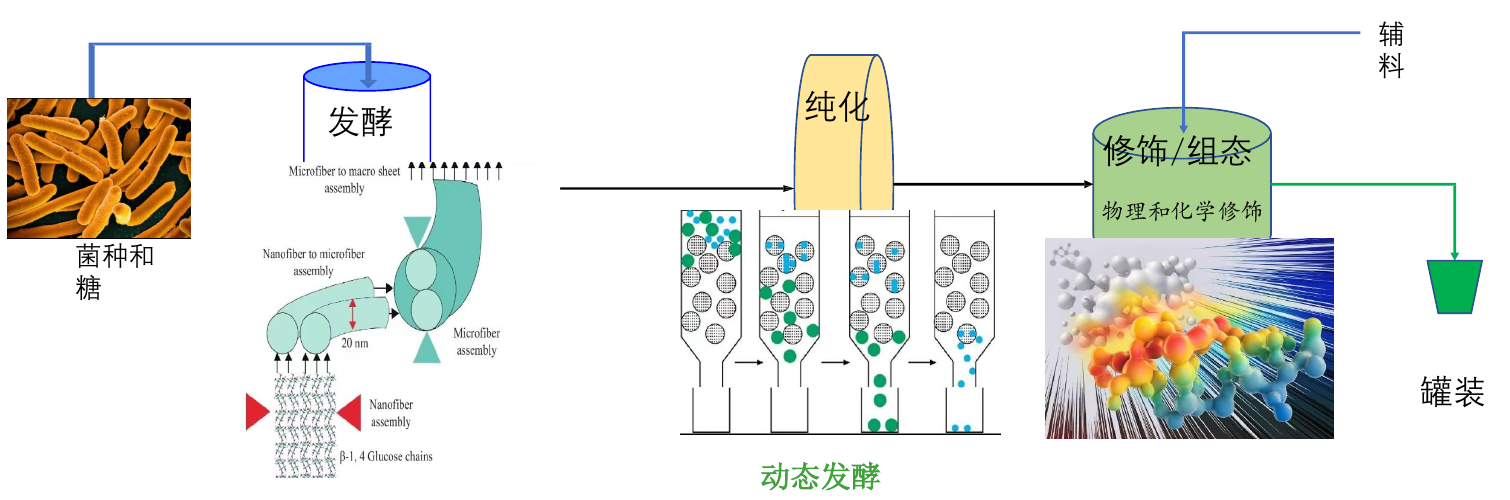
The source of sugar is fermented through the fungus to form NatFibra® fiber, which then completes the purification, application assembly and filling to enable the product to be dispersed in shampoo, bathing and other surfactant systems.
Special particles, high-density particles or large particles shall be tested for high temperature, centrifuge and long-term storage, respectively.
The basis for testing consists of 16% AES, 8% CHSB, 1% 2000 UP, 1% 6501, embalming systems and water. Adjustments to Nacl, pH or suspended stabilizer levels based on test items, with a viscous test rate of 10 rpm.
SP 9510-C is three times the diluted sample; data are used to illustrate trends in designations.
In the basic clean-up system with 1% NaCl, SP 9510-C triple dilution is 3-9% between 1 860-5 940 mPa.s.
In the measured base, SP 9510-C groups have a viscosity of 4,260, 4,560 and 4,440 mPa.s at pH 4, 6 and 8, respectively.
Nacl also changes the surface active agent base system and the suspended network. Salt quantities should be determined on the basis of target viscosity, low cutting structures and storage results.
Testing uses 150 mg/kg hard water, 0.25% finished samples, 1,500 rpm and 15 cycles. The test results correspond to the listed foundation.
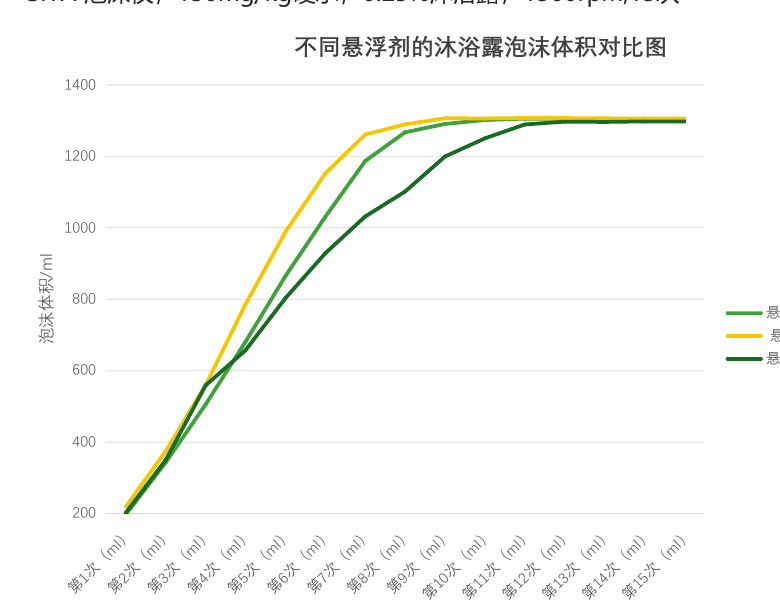
6% SP 9510-C three times diluted samples in the front cycle build up foam faster than the non-suspendant group and remain close to the final foam volume compared to 7% Aqua SF-1.
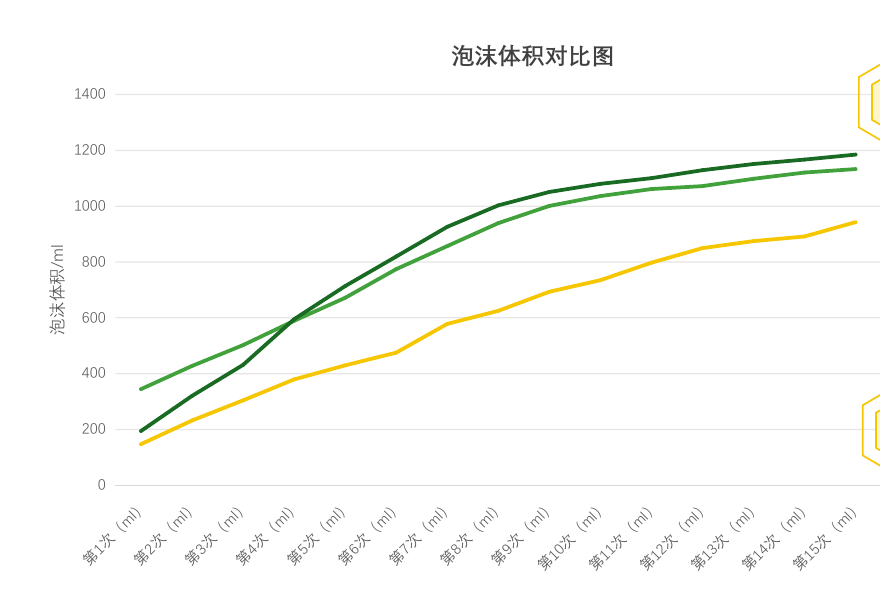
3% SP 9510-C triple dilution is close to 0.3% U20 control group foam growth curve; unrepressed foams are established in measured shampoo.
The mass gauge determines the maximum positive and positive area change rates for wet and dry combs, respectively. Combination is determined by a combination of surfactants, anion polymers, silicon oils and other adjustments.
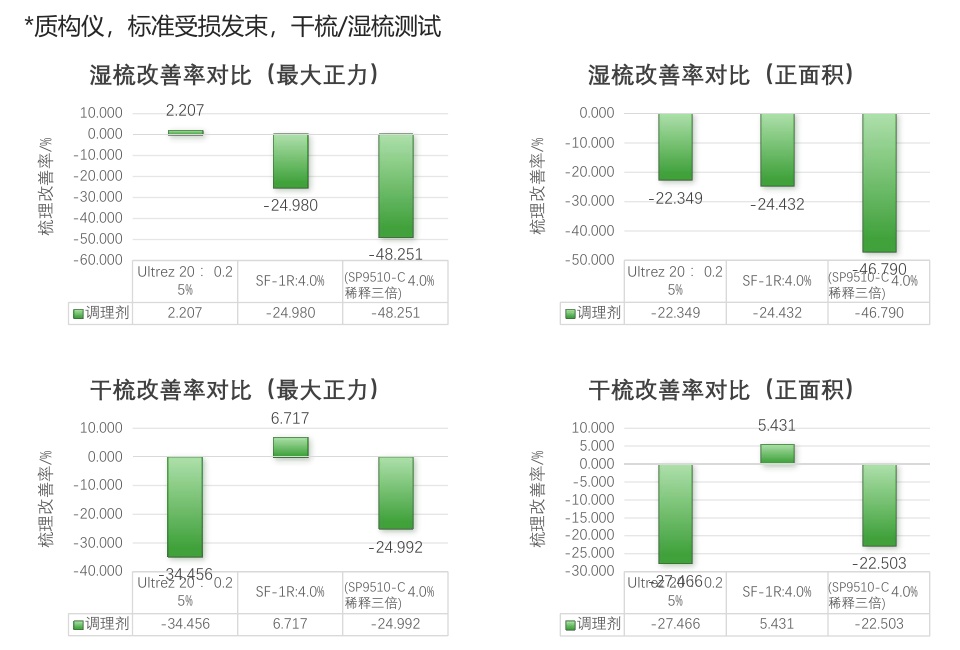
| Test Project | U20 0.25% | SF-1R 4.0% | SP 9510-C Triple dilution |
|---|---|---|---|
| Wet combing improvement rate, maximum positive | 2.207% | -24.980% | -48.251% |
| Wet combing improvement rate, positive area | -22.349% | -24.432% | -46.790% |
| Dry combing improvement rate, maximum power. | -34.456% | 6.717% | -24.992% |
| Dry combing improvement rate, positive area | -27.466% | 5.431% | -22.503% |
The product is not recommended for direct use in water agent systems that do not contain surfactants. Quarterly ammonium salt-10 plasma polymers may change their dispersive and structural state and should be tested for compatibility.
The dissolved and evenly mixed base surfactants are completed first.
Add the product after the main surfactant system has been formed.
About 3,000 rpm average of 3-5 minutes, confirm that the material is equal.
Adds decomposition, preservatives, perfumes and electrolytes, and adjusts pH and viscosity.
Finally, petals, beads or other particles are added at low-speed mixing to even distribution.
Both references use SP 9510-C diluted to 33% and are dispersed after the main surfactant system is formed. Information on the supply of raw materials, the preservation system and targeted market regulations should be reconfirmed prior to the zooming up of the material.
| Marriage | Ingredient | INCI or composition | Dosage |
|---|---|---|---|
| A | Water | Aqua | 66.11% |
| A | CHSB-BA | Aqua, Cocamidopropyl Hydroxysultaine, Sodium Chloride, Sodium Benzoate | 8.00% |
| A | AES70 | Sodium Laureth Sulfate, Aqua | 16.00% |
| A | 2000 UP | Decyl Glucoside, Aqua | 1.00% |
| A | 6501 | Cocamide DEA, Glycerin, Glyceryl Cocoate | 1.00% |
| B | NatFibra® SP 9510-C, diluted to 33% | Aqua, Glycerin, Cellulose Gum, Microcrystalline Cellulose, Sodium Benzoate | 6.00% |
| B | A glass of lemonade. | Citric Acid | 0.20% |
| C | Cassone preservatives | Aqua, Magnesium Nitrate, Methylchloroisothiazolinone, Magnesium Chloride, Methylisothiazolinone | 0.070% |
| C | K2000 Preservatives | DMDM Hydantoin, Aqua | 0.20% |
| C | Fine salt. | Sodium Chloride | 1.30% |
| D | Jasmine petals. | Jasmine Petal | 0.12% |
| Total | 100.00% | ||
Add A in turn, warming to 75-80 °C and mixing to even transparency.
Temperature to 40 °C, predispersing B phase and adding 3,000 rpm mean 1-2 minutes.
Add C phase and adjust pH and viscosity.
Join Jasmine petals, slow-blending to even distribution.
| Marriage | Ingredient | INCI or composition | Dosage |
|---|---|---|---|
| A | SP-100 | Acrylamidopropyltrimonium Chloride/Acrylamide Copolymer | 0.050% |
| A | Water | Aqua | 59.340% |
| A | Dissolvine Na2 | Disodium EDTA | 0.100% |
| B | N70 | Sodium Laureth Sulfate, Aqua | 15.500% |
| B | LS 30N | Aqua, Sodium Lauroyl Sarcosinate, Sodium Chloride | 4.000% |
| B | urea. | Allantoin | 0.300% |
| B | CAPB 35BA | Aqua, Cocamidopropyl Betaine, Sodium Chloride, Sodium Benzoate | 8.000% |
| B | PATC | Palmitamidopropyltrimonium Chloride, Propylene Glycol | 0.300% |
| B | DPP-2 | Aqua, Dilinoleamidopropyl PG-Dimonium Chloride Phosphate, 1,3-Propanediol, Quaternium-91, Isopropanol | 0.400% |
| B | SIL | Sodium Isostearoyl Lactylate, Isostearic Acid | 0.100% |
| B | 3969 | PEG-150 Distearate, Stearic Acid, Aqua | 0.200% |
| B | 6511 | Cocamide Methyl MEA, Glycerin | 1.200% |
| B | XT30 | Aqua, Glyceryl Laurate, Cocamidopropyl Betaine | 1.000% |
| C | A glass of lemonade. | Citric Acid | 0.120% |
| D | NatFibra® SP 9510-C, diluted to 33% | Aqua, Glycerin, Cellulose Gum, Microcrystalline Cellulose, Sodium Benzoate | 6.000% |
| E | EM 234C | Aqua, Dimethiconol, TEA-Dodecylbenzenesulfonate, Glycerin, Phenoxyethanol, Sodium Benzoate | 0.900% |
| E | HE | PEG-7 Glyceryl Cocoate, Aqua | 1.000% |
| E | Fine salt. | Sodium Chloride | 0.100% |
| E | Cassone preservatives | Aqua, Magnesium Nitrate, Methylchloroisothiazolinone, Magnesium Chloride, Methylisothiazolinone | 0.070% |
| E | K2000 Preservatives | DMDM Hydantoin, Aqua | 0.400% |
| E | Spicy. | Parfum | 0.800% |
| F | Jasmine petals. | Jasmine Petal | 0.120% |
| Total | 100.00% | ||
Spreading SP-100 to transparency in cold water, increasing to 80-85 °C, adding EDTA sodium diode and maintaining temperature for 20 minutes.
Add B phase in turn and mix evenly; join C phase and adjust pH.
Temperature to 45 °C with pre-dispersed SP 9510-C, Mean 2-3 minutes.
Add E phase in order; add Jasmine petals, adjust pH and stickyness to feed.