Network formation
Microfibrils form a large number of contact points and create continuous low-cut structures.

NatFibra® fiber forms a continuous three-dimensional network in the liquid phase, providing water holding, dispersion and structural support for the care of the hair.
View Materials StructureNatFibra® CC Mo is structured on the basis of NatFibra® fiber and is used for the development of conditioners, hair mask and other modems for hair protection.
Microfibrils are interwoven after the liquid phase, providing structural support for aqueous case, oil case and insoluble dispersible phase. Actual performance is influenced by an anion-modifier, oil case, surfactant, electrolyte, pH, cut condition and order of addition.
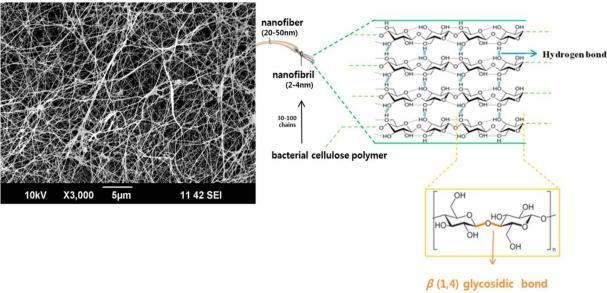
NatFibra® fiber micro-organism, cellulose chains and β-1,4 glycosidic bond.
The cellulose is connected by glucose units through β-1,4 glycosidic bond. NatFibra® fiber is further assembled into nanoscale microfibrils and microfibrils structures.
The fibre diameter of 20-40 nm and the length of the micrometer class has led to the formation of microfibrils as more points of contact in aqueous case and to the gradual formation of a continuous three-dimensional network.
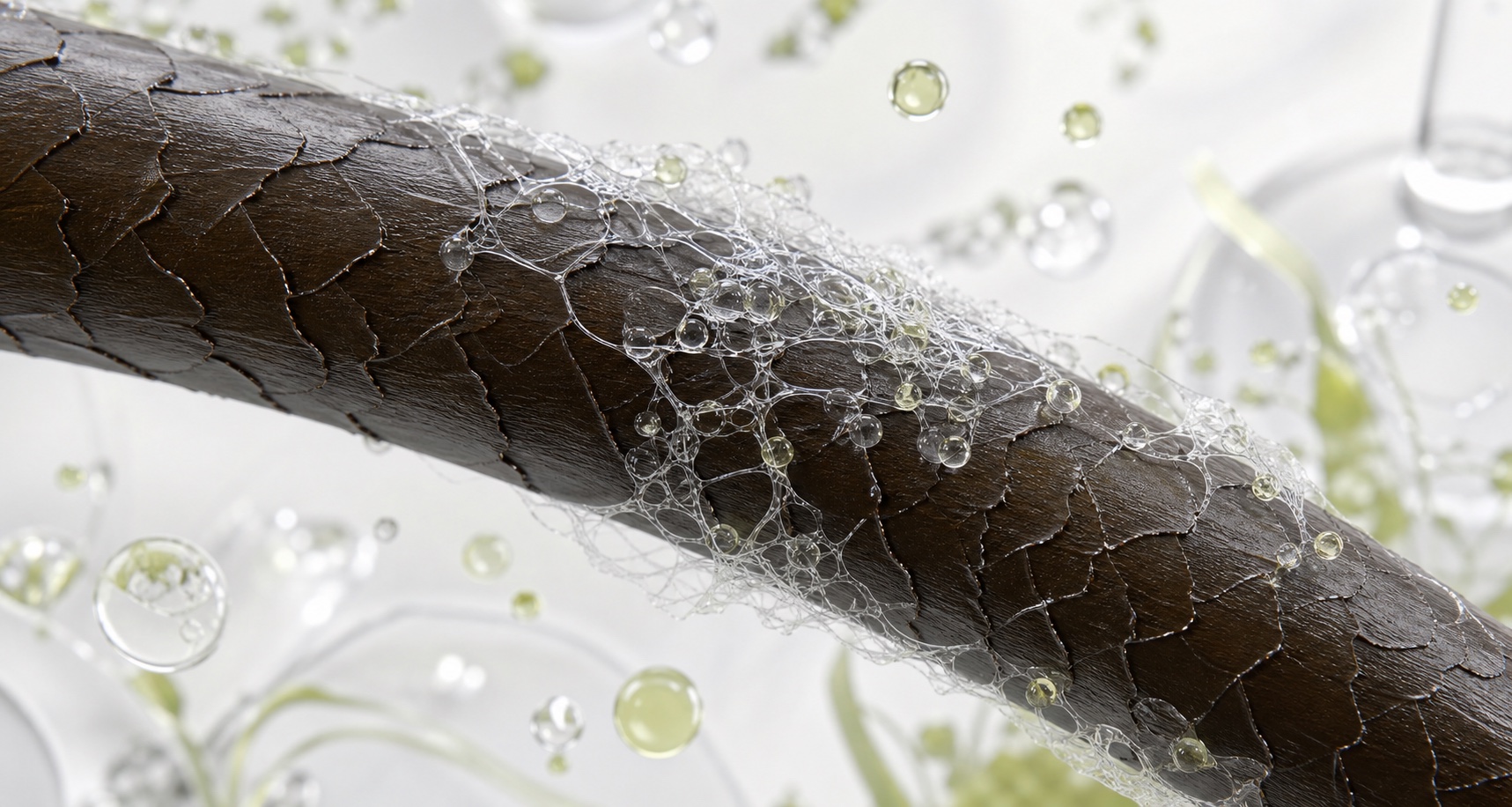
NatFibra® fiber is interwoven in the liquid phase, limiting the movement of fine particles and droplets and providing continuous structure for the management of the anion, oil case and other nursing groups.
Microfibrils form a large number of contact points and create continuous low-cut structures.
Mitigation of deposition or upswing of particles, oil droplets and other dispersed phase.
The state of the structure is confirmed through the test of yield condition, touch recovery and storage.
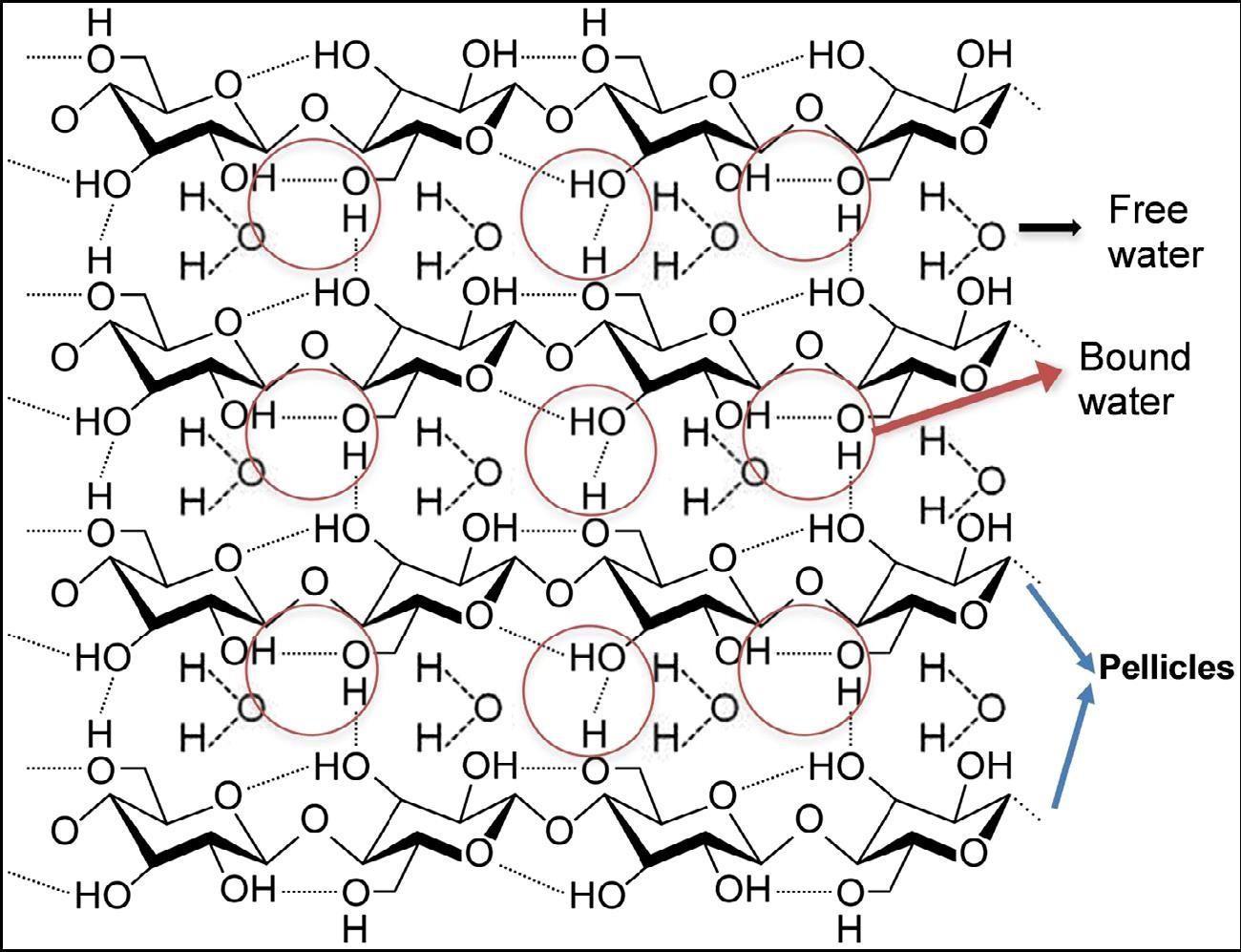
The cellulose chain contains a large quantity of hydroxyl radicals that form hydrogen keys with water molecules. The pore and continuous network between microfibrils further limits water migration.
This value corresponds to the test condition for the material and is not equivalent to the wetting efficiency indicator for the product. The performance of the finished product needs to be determined in combination with additions, adjustment systems, washing processes and beam testing.
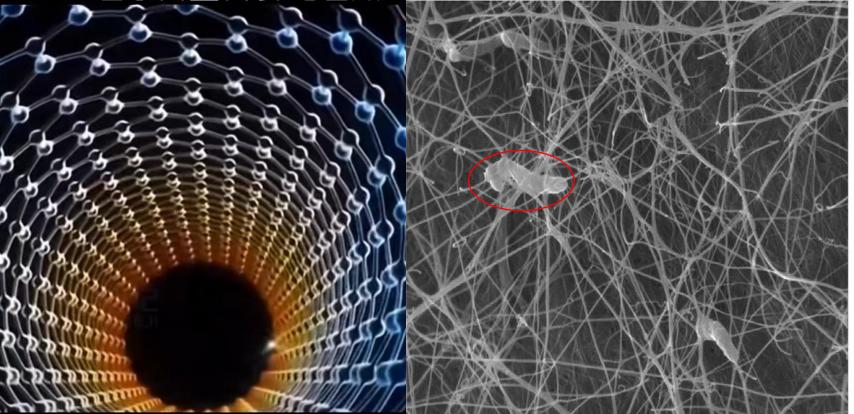
The microfibrils network can limit the transport of fine particles and droplets and keep them more evenly distributed. The effect is derived mainly from low shearing structures and should not be judged solely by high-rotation viscosity.
NatFibra® fiber of high-spect-rate-rate can be distributed over the oil-water area and, together with the three-dimensional network in aqueous case, limit the migration of oil droplets.

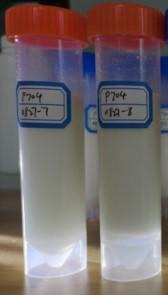
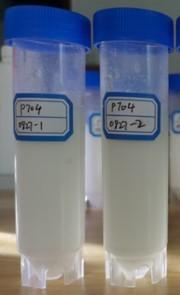
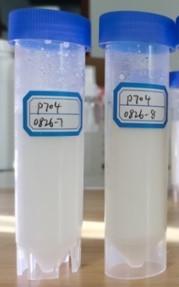
The soybeans model system labels the sample of NatFibra with a content above 10% as stable emulsion. The figure does not indicate the oil water ratio, sampling process, storage temperature and observation time, and therefore cannot be recommended as an addition to hair protection.
Anion Adjustment System
Compatibility, centrifugal stability, washing and wet combing
High-fat alcohol and grease systems
Ointment homogeneity, smearing, storage stability and beam deposition
Emilsion, cream and nursing.
Pumping or spray performance, residual touch and dry membranes
A surface system containing polymers or silicon oil
Condensation, viscosity drift, foam and after washing
Enter the fermentation phase.
I'm going to make a bio-cellulose.
Remove cultures and fermentation residues.
It's a good idea to make micofibrils suitable for dispersing in care.
The recommended additions and standard additions are to be determined according to the objective formulation. The evaluation of structural stability, compatibility and binding performance should be completed before formal adoption.
The finished product looks, solid content, pH, microbiological indicators, shelf life and recommended additions are based on the latest version of the product specifications.